The Koran
0
0
As an Amazon Associate and affiliate partner, Menrva Books earns from qualifying purchases. Learn more
Author Description
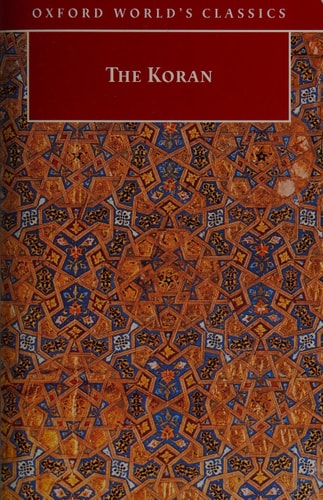
The Koran is a book apart, not only as Holy Scripture for Muslims, but as the supreme classic of Arabic literature. In its 114 Suras, or chapters, it comprises the total of revelations believed to have been communicated to the prophet Muhammad as a final expression of God's will and purpose for man. The revelations were received over a number of years, the first dating from AD 610, the last shortly before Muhammad's death in AD 632, and the definitive canon was established some twenty years later. The Koran is neither prose nor poetry but a unique fusion of both. In his attempt to convey the sublime rhetoric of the original, Professor Arberry has carefully studied the intricate and richly varied rhythms which - apart from the message itself - serve to explain the Koran's undeniable claim to rank among the greatest literary masterpieces of mankind.
Menrva's Summary
THE THESIS
The Koran serves as the foundational religious text of Islam, presenting the revelations communicated to the prophet Muhammad as the definitive expression of divine will. Arthur J. Arberry, a distinguished scholar of Arabic, approaches the text with the objective of preserving its unique rhetorical structure while translating its theological content for an English-speaking audience. His work focuses on the rhythmic and linguistic nuances that define the original Arabic, arguing that the text occupies a singular position as both a spiritual guide and a literary artifact.
THE SCOPE MAP
What You Will Find
- The complete collection of 114 Suras or chapters.
- A translation that emphasizes the rhythmic cadence of the original Arabic text.
- Historical context regarding the timeline of revelations from AD 610 to AD 632.
Scope Limits
- This volume does not provide a comprehensive theological commentary or exegesis of the verses.
- The text does not include the full body of Hadith or secondary Islamic jurisprudence.
THE AUTHORITY PERSPECTIVE
Scholars and readers frequently cite Arberry’s translation as a standard for its commitment to the stylistic integrity of the original Arabic. It is widely regarded as a primary resource for those seeking to understand the literary and spiritual dimensions of the text.
Page Count:
688
Publication Date:
1998-06-01
Publisher:
Oxford Univ Pr
ISBN-10:
0192835017
ISBN-13:
9780192835017
Philosophy
Religion
Theology
Scripture
Islam
Koran
Arabic
Community Tags
Similar Books