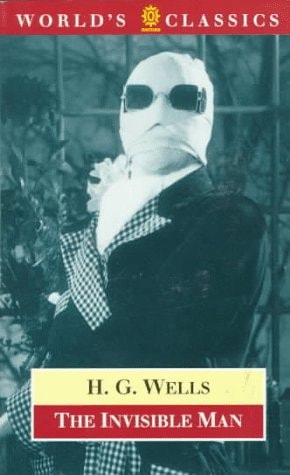
The Invisible Man
0
0
As an Amazon Associate and affiliate partner, Menrva Books earns from qualifying purchases. Learn more
Author Description
Griffin, the Promethean hero of The Invisible Man (1897), is one of Wells's most striking and tragic conceptions--a scientist whose apparently omnipotent power of passing unseen among his fellow humans rebounds on him as a terrible curse. From its opening in a small village inn, the narrative moves inexorably towards a climax of terror as the whole of England unites to hunt down and destroy the invisible alien. The Introduction examines not only the many imitations, but also Wells's own skillful blending of contemporary scientific ideas and chilling Gothic effects.
Menrva's Summary
THE PULSE
A scientist discovers the secret to invisibility, only to find that his newfound power isolates him from humanity and drives him toward a path of violent destruction. The protagonist, Griffin, seeks to master the laws of optics to achieve total transparency, but the physical and psychological toll of his experiment leaves him vulnerable and increasingly unstable. As he attempts to navigate a society that fears and hunts him, he faces the logical constraints of his condition, such as the inability to hide his clothing or the physical traces of his presence. The narrative unfolds through a third-person perspective that tracks his descent from a brilliant researcher into a desperate, hunted fugitive.
INSIDE THE PAGES
- Exploration of the ethical boundaries of scientific experimentation
- Integration of Victorian-era scientific theories with Gothic horror elements
- Pacing that shifts from a localized mystery to a national manhunt
- Examination of the psychological isolation caused by extreme power
- Use of a small, insular village as a microcosm for societal reaction to the unknown
- Detailed descriptions of the physical limitations of invisibility
- Tension built through the contrast between the invisible antagonist and the visible world
- Themes of hubris and the corruption of the individual by unchecked ambition
THE COLLECTIVE ECHO
Readers and critics frequently highlight the effectiveness of the book's atmosphere, which successfully blends scientific speculation with chilling suspense. Discussion often centers on the moral ambiguity of Griffin, as his initial intellectual curiosity transforms into a terrifying display of ego and violence. The pacing is noted for its steady acceleration, moving from the quiet intrigue of a village setting to a frantic, high-stakes pursuit. Many observers appreciate how the text remains a foundational work in the science fiction genre, specifically regarding the trope of the mad scientist. The narrative serves as a cautionary study on the consequences of power when divorced from human empathy and social responsibility.
Page Count:
208
Publication Date:
1996-03-28
Publisher:
Oxford University Press
ISBN-10:
019283195X
ISBN-13:
9780192831958
Horror
Thriller
Science Fiction
Gothic
classic
England
Scientists fiction
Community Tags
Other Editions(73)

BoD - Books on Demand
2023
Default edition
Evertype
2022

Independently Published
2021

Independently Published
2021
True Sign Publishing House
2021

Independently Published
2020

Independently Published
2020

Independently Published
2020

Independently Published
2020

Independently Published
2020

Independently Published
2020
Independently Published
2019
Independently Published
2019
Independently Published
2019

Simon & Brown
2018

Simon & Brown
2018

CreateSpace Independent Publishing Platform
2018

Sde Classics
2018

CreateSpace Independent Publishing Platform
2018

Independently Published
2018

Max Bollinger
2018

CreateSpace Independent Publishing Platform
2018

CreateSpace Independent Publishing Platform
2018

Independently Published
2018
Independently Published
2018
CreateSpace Independent Publishing Platform
2018

CreateSpace Independent Publishing Platform
2018

CreateSpace Independent Publishing Platform
2018
CreateSpace Independent Publishing Platform
2017
e-artnow
2017
CreateSpace Independent Publishing Platform
2017

Independently Published
2017

CreateSpace Independent Publishing Platform
2017

CreateSpace Independent Publishing Platform
2017

CreateSpace Independent Publishing Platform
2017

CreateSpace Independent Publishing Platform
2017

CreateSpace Independent Publishing Platform
2017

CreateSpace Independent Publishing Platform
2017

CreateSpace Independent Publishing Platform
2017

Independently Published
2017

CreateSpace Independent Publishing Platform
2017

CreateSpace Independent Publishing Platform
2017

CreateSpace Independent Publishing Platform
2017

CreateSpace Independent Publishing Platform
2017

Independently Published
2017

CreateSpace Independent Publishing Platform
2017

CreateSpace Independent Publishing Platform
2017

Lulu.com
2017

CreateSpace Independent Publishing Platform
2016

CreateSpace Independent Publishing Platform
2016

CreateSpace Independent Publishing Platform
2016

CreateSpace Independent Publishing Platform
2016
Oxford University Press
2016
CreateSpace Independent Publishing Platform
2015
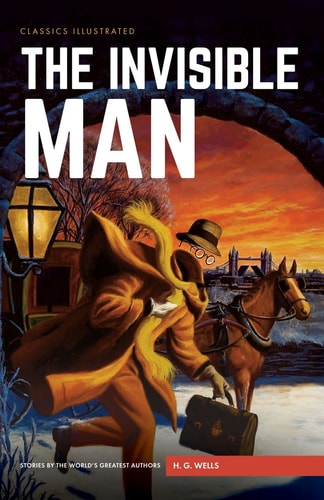
CCS Books
2015
CreateSpace Independent Publishing Platform
2015

CreateSpace Independent Publishing Platform
2015

CreateSpace Independent Publishing Platform
2014

CreateSpace Independent Publishing Platform
2014
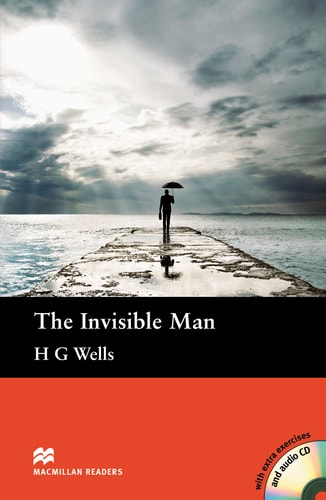
Macmillan Education
2014
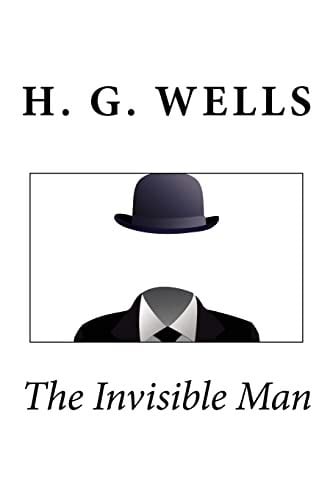
CreateSpace Independent Publishing Platform
2013
CreateSpace Independent Publishing Platform
2012

Penguin Publishing Group
2010
Mizzou Publishing - The Mizzou Store
2010
Penguin USA, Inc.
2009
Stone Arch Books
2007
ICON Classics
2005

Durkin Hayes Publishing
1997
Oxford University Press
1996

Baronet Books
1995

Macmillan
1992
Ladybird Books
1988

Huge Print Press
1900
Similar Books


Reader Comments
Share Your Thoughts
No comments yet. Be the first to share your thoughts!