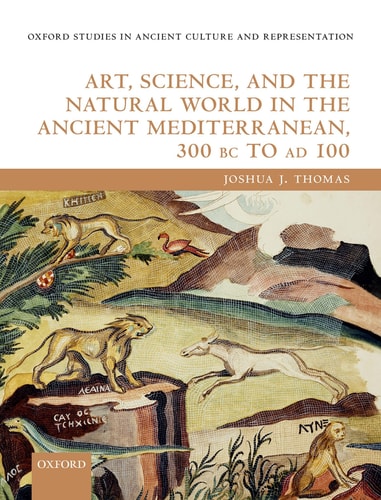
Art, Science, and the Natural World in the Ancient Mediterranean, 300 BC to AD 100
0
0
As an Amazon Associate and affiliate partner, Menrva Books earns from qualifying purchases. Learn more
Author Description
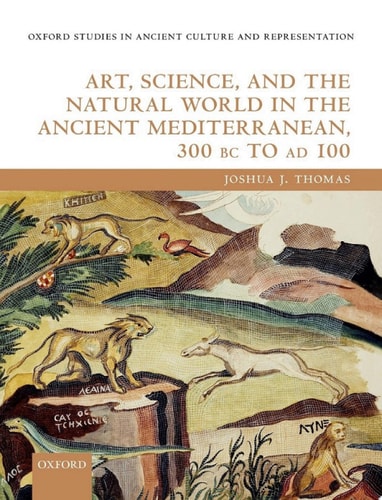
The Hellenistic Period witnessed striking new developments in art, literature and science. This volume addresses a particularly vibrant area of innovation: the study of animals and the natural world. While Aristotle and his followers had revolutionized fields such as zoology and botany during the fourth century BC, these disciplines took on exciting new directions during Hellenistic times. Kings imported exotic species into their royal capitals from faraway lands. Travel writers described unusual creatures that they had never previously encountered. And buyers from a range of social levels chose works of art featuring animals and plants to decorate their palaces, houses and tombs.While textual sources shed some light on these developments, the central premise of Art, Science and the Natural World in the Ancient Mediterranean is that our surviving artistic evidence permits a fuller understanding. Accordingly, the study brings together a rich body of visual material that invites new observations on how and why knowledge of the natural world became so important during this period. It is suggested that this cultural phenomenon affected many different groups in society: from kings in Alexandria and Pergamon to provincial aristocrats in the Levant, and from the Julio-Claudian imperial family to prosperous homeowners in Pompeii. By analysing the works of art produced for these individuals, a vivid picture emerges of this remarkable aspect of ancient culture.
Menrva's Summary
THE THESIS
How did the intersection of artistic representation and scientific inquiry shape the understanding of the natural world in the Hellenistic and early Roman Mediterranean? Joshua J. Thomas examines the evolution of zoological and botanical knowledge between 300 BC and AD 100, arguing that visual culture provides a more comprehensive record of this intellectual shift than textual sources alone. By synthesizing archaeological evidence with historical context, the author demonstrates how the fascination with exotic flora and fauna permeated social strata from royal courts to provincial households.
THE SCOPE MAP
What You Will Find
- Analysis of artistic depictions of animals and plants in palaces, houses, and tombs
- Examination of the influence of Hellenistic royal patronage on natural history
- Comparative study of material culture across the Levant, Alexandria, Pergamon, and Pompeii
- Integration of zoological and botanical developments following the Aristotelian tradition
Scope Limits
- The study focuses primarily on visual and material evidence rather than a comprehensive history of scientific texts
- The geographic scope is limited to the Mediterranean basin and its immediate cultural spheres
THE AUTHORITY PERSPECTIVE
Scholars view this work as a significant contribution to the study of Hellenistic material culture and the history of science. Readers frequently note the academic density of the prose and the author's meticulous approach to connecting artistic iconography with broader intellectual trends.
Page Count:
400
Publication Date:
2022-03-22
Publisher:
Oxford University Press
ISBN-10:
019284489X
ISBN-13:
9780192844897
History
Science History
Archaeology
Greece
Art History