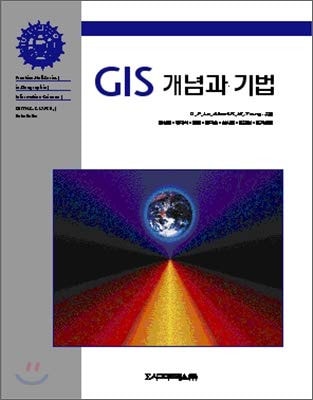
GIS Concepts and Techniques
0
0
As an Amazon Associate and affiliate partner, Menrva Books earns from qualifying purchases. Learn more
Author Description
GIS concepts and techniquesIt is a book for physic, natural and social scientists interested in how to express, model, analyze and manage the real world by introducing basic concepts and related technologies of GIS. Readers are expected to have basic education or practical experience in areas where GIS technology science will be applied (eg geography, agricultural engineering, civil engineering, urban rural planning, hydrology, environmental studies, ecology, agriculture, forestry,. In addition, this book assumes that readers have basic knowledge of statistics, matrices, and surveying. It is a GIS course for developing, managing, and preserving the earth resources. br Each chapter begins with the definition of terms, includes tables and figures to help you understand the concepts, and lists the actual bibliographies. Chapters 8, 9, and 10 contain detailed modeling techniques for linking with the remote sensing field and actual implementation of spatial modeling. The appendix provides an Internet address where practical information related to GIS can be found.
Menrva's Summary
THE THESIS
This book introduces the fundamental concepts and technologies of Geographic Information Systems (GIS) for scientists and professionals. It aims to equip readers with the ability to express, model, analyze, and manage real-world data using GIS. The text is designed for individuals with a background in fields such as geography, engineering, environmental studies, and agriculture, assuming a basic understanding of statistics, matrices, and surveying. It serves as a comprehensive guide for developing, managing, and preserving Earth's resources through GIS applications.
THE SCOPE MAP
- Definition of terms at the beginning of each chapter.
- Inclusion of tables and figures to aid conceptual understanding.
- Detailed bibliographies at the end of each chapter.
- In-depth modeling techniques in Chapters 8, 9, and 10, linking GIS with remote sensing.
- Practical implementation of spatial modeling.
- Appendix providing Internet resources for practical GIS information.
THE AUTHORITY PERSPECTIVE
The book is structured to provide a thorough grounding in GIS for scientists and professionals across various disciplines. Its approach, beginning each chapter with definitions and incorporating visual aids, suggests a pedagogical focus aimed at clarity and comprehension. The inclusion of advanced modeling techniques and links to remote sensing indicates a comprehensive scope, while the appendix offers practical avenues for further exploration. The text appears designed to serve as a foundational resource for those applying GIS in resource management and environmental studies.
Page Count:
599
Publication Date:
2005-03-02
ISBN-10:
8958321113
ISBN-13:
9788958321118
Non-Fiction
Science
Spatial analysis
urban planning
Community Tags
Similar Books