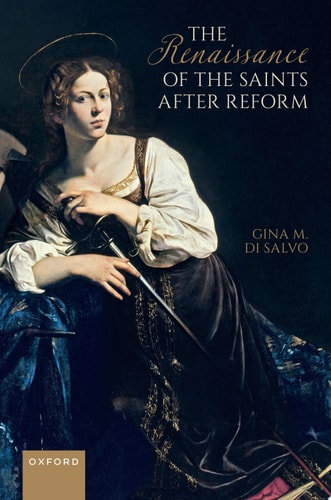
The Renaissance of the Saints After Reform
0
0
As an Amazon Associate and affiliate partner, Menrva Books earns from qualifying purchases. Learn more
Author Description
The age of miracles was not yet past on the Shakespearean stage. In the first book-length study of the English saint play across the Reformation divide, The Renaissance of the Saints after Reform recovers the surprisingly long theatrical life of the saints from a tenth-century monastery to the Restoration stage. Through a reassessment of archival records of performance and religious change, this book challenges the established history of the saint play as a product of medieval devotional culture that ended with the national conversion to Protestantism during the Reformation. Not only did saints in performance frequently diverge from the narratives of devotional literature during the Middle Ages but also saints made a spectacular reappearance in the theatre of the early modern era. In the rupture between those two eras, the English church separated itself from the Cult of the Saints, and saints disappeared from public view until sainthood transformed from a matter of theology into a matter of theatricality. Early modern saint plays document a post-Reformation culture committed to saints―but not all saints. Certain ancient martyrs and British saints returned to the liturgical calendar in the Elizabethan Book of Common Prayer. This limited inventory performed an initial de-Catholicization of these saints, but it did not recover their lives. Instead, the theatre produced new lives of the saints for the English public. A period of experimentation with saints and devils in the 1590s was followed by unprecedented innovation throughout the Stuart era. This book traces the transformation of sainthood in early modern drama from ambiguous supernatural association and negotiated patronage to a renaissance of miraculous theatricality and sacred place-making. By excavating saints in plays by Shakespeare, Heywood, Dekker, Massinger, and Rowley, as well as plays authored by relatively unknown dramatists, this book reconfigures how we think about the legacy of late medieval religiou
Menrva's Summary
THE THESIS
This book investigates the persistence and transformation of the saint play in English theater across the Reformation divide, challenging the assumption that the genre vanished with the rise of Protestantism. Gina M. Di Salvo, a scholar of early modern drama and religious culture, utilizes archival performance records and a reassessment of liturgical history to argue that sainthood shifted from a theological necessity to a theatrical device. The work posits that the English stage served as a site for the reinvention of sacred narratives, allowing saints to survive the transition from medieval devotional culture to the early modern era.
THE SCOPE MAP
What You Will Find
- Analysis of saint plays from the tenth-century monastery to the Restoration stage
- Examination of works by Shakespeare, Heywood, Dekker, Massinger, and Rowley
- Investigation of the Elizabethan Book of Common Prayer and its impact on saintly representation
- Study of the shift from Catholic devotional practice to early modern theatricality
Scope Limits
- Does not provide a comprehensive history of all medieval religious drama
- Focuses primarily on the English theatrical tradition rather than continental European developments
THE AUTHORITY PERSPECTIVE
Scholars in the field of early modern drama recognize this work as a significant contribution to the understanding of religious performance history. Readers frequently note the academic density of the prose and the depth of the archival research presented.
Page Count:
272
Publication Date:
2023-01-01
Publisher:
Oxford University Press
ISBN-10:
0192865919
ISBN-13:
9780192865915
History
Theater History
Early Modern
Literary Criticism
Shakespearean Studies
Drama
Community Tags
Similar Books