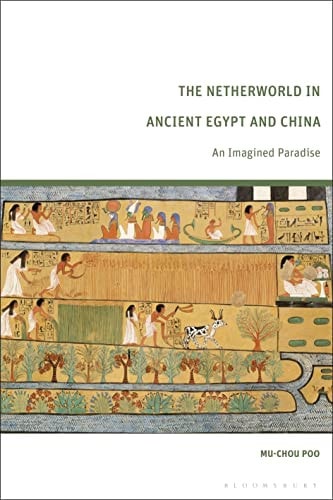
The Netherworld in Ancient Egypt and China: An Imagined Paradise
0
0
As an Amazon Associate and affiliate partner, Menrva Books earns from qualifying purchases. Learn more
Author Description
Considering the striking similarities between the treatment of the dead and conceptions of the netherworld in ancient Egypt and China, how can we compare the two traditions? Mu-chou Poo considers this question, and provides a new perspective on archaeological materials, including tomb structures and funerary texts, by addressing them in the context of universal human problems such as death, the future of the dead, and the search for happiness in life. Poo chronologically reconstructs the emergence of the idea of the netherworld and its evolution in both ancient Egypt and ancient China. He explores the relationship between religious beliefs and social ethics in these civilizations, considers why similar social and material conditions could have produced varied expressions of the afterlife, and what such variations reveal about each culture. Poo argues that a comparison between both visions of the netherworld and their relationship to life experience gives further insight into the nature of each civilization. Through this analysis, Poo shows that thematic comparison of ancient civilizations is not only possible, but also relevant to modern society.
Menrva's Summary
THE THESIS
This book investigates the striking similarities and profound differences in the conceptions of the netherworld and the treatment of the dead in ancient Egypt and ancient China. Mu-chou Poo, drawing on archaeological materials such as tomb structures and funerary texts, addresses universal human concerns about death, the afterlife, and the pursuit of happiness. The work chronologically reconstructs the evolution of these ideas in both civilizations, exploring the interplay between religious beliefs and social ethics. Poo examines why similar societal conditions could yield divergent expressions of the afterlife and what these variations reveal about each culture, ultimately arguing that comparative analysis offers insights into the nature of these ancient civilizations and their relevance to modern society.
THE SCOPE MAP
- Comparative analysis of the netherworld in ancient Egypt and ancient China.
- Examination of archaeological evidence, including tomb structures and funerary texts.
- Exploration of universal human problems: death, the future of the dead, and the search for happiness.
- Chronological reconstruction of the emergence and evolution of netherworld concepts.
- Analysis of the relationship between religious beliefs and social ethics.
- Investigation into why varied expressions of the afterlife arose from similar conditions.
- Discussion of what these variations reveal about Egyptian and Chinese cultures.
- Argument for the relevance of thematic comparison of ancient civilizations to modern society.
THE AUTHORITY PERSPECTIVE
The book is positioned as a scholarly comparative study, likely appealing to academics and students of ancient history, religion, and archaeology. Its focus on comparative methodology suggests an approach that seeks to draw broader conclusions about human societies and their enduring concerns. The premise indicates a text that will engage with complex themes of death, belief, and cultural expression, offering a nuanced perspective on two foundational ancient civilizations.
Page Count:
176
Publication Date:
2025-06-26
Publisher:
Bloomsbury Academic
ISBN-10:
0567702049
ISBN-13:
9780567702043
History
Non-Fiction
Archaeology
Death Studies
Community Tags
Similar Books