
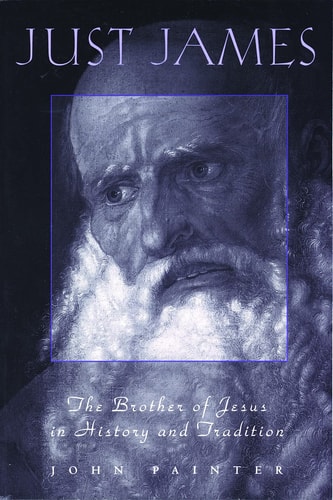
Just James The Brother of Jesus in History and Tradition
0
0
As an Amazon Associate and affiliate partner, Menrva Books earns from qualifying purchases. Learn more
Author Description
A comprehensive and balanced look at the first leader of early Christianity The new edition also develops a new view of the leadership of James in earliest Christianity. Since the publication of the first edition, the work of Jacob Neusner on the development of the Patriarchy, in the Judaism of the first two centuries c.e., has evoked similarities between the leadership of James and that of the evolving Patriarchy of the time. The new edition of Just James makes significant use of Neusner's analysis of the hereditary Davidic leadership role of the Patriarch and its relationship to the role of the Sages, which is comparable to the role of James in relation to the apostles and elders in Acts 15 and elsewhere. Though Patriarchy did not become the terminology of leadership in the Western Church, it is embedded in the language of the Eastern Church. A significant argument is made for understanding the leadership of James in the context of the Judaism of the time, which is more credible than an earlier attempt to relate it to the much later and Arabic phenomenon of the Caliphate. The leadership of the Patriarch is more collegial in character than the form that developed in the Church of the West. This aspect of the new edition throws light on Christian beginnings and may also provide a constructive perspective from which to view Church leadership in the present. Just James analyses the varied considerations concerning James' relationship to Jesus as one basis of his leadership. While providing access to the early sources concerning James, Painter sets out the evidence for recognizing James as the direct successor to Jesus and the leader of the earliest Christian movement in Jerusalem. Recognition of the leadership of James is evident in the New Testament, though it is not prominent. The New Testament reflects other interests that focus attention on Peter and Paul. Nevertheless, in the New Testament, both Peter and Paul acknowledge James
Page Count:
399
Publication Date:
2004-01-01
Publisher:
Univ of South Carolina Press
ISBN-10:
1570035237
ISBN-13:
9781570035234
Community Tags
Other Editions(3)

Reader Comments
Share Your Thoughts
No comments yet. Be the first to share your thoughts!