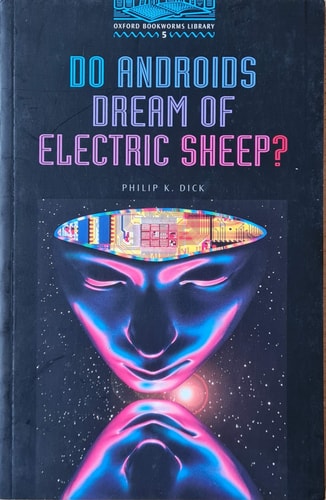
Do Androids Dream of Electric Sheep?
0
0
As an Amazon Associate and affiliate partner, Menrva Books earns from qualifying purchases. Learn more
Author Description
San Francisco lies under a cloud of radioactive dust. People live in half-deserted apartment buildings, and keep electric animals as pets because so many real animals have died. Most people emigrate to Mars - unless they have a job to do on Earth. Like Rick Deckard - android killer for the police and owner of an electric sheep. This week he has to find, identify, and kill six androids which have escaped from Mars. They're machines, but they look and sound and think like humans - clever, dangerous humans. They will be hard to kill. The film Blade Runner was based on this famous novel.
Menrva's Summary
THE PULSE
Rick Deckard, a bounty hunter tasked with retiring rogue androids, faces a moral crisis as he struggles to distinguish between artificial life and human consciousness. Operating within a post-apocalyptic San Francisco blanketed in radioactive fallout, Deckard must track down six escaped Nexus-6 androids that have fled from Mars to Earth. The narrative follows his hunt through a decaying urban landscape where the line between biological reality and synthetic simulation is increasingly blurred. As he encounters these sophisticated machines, Deckard is forced to confront the ethical implications of his profession and the nature of empathy in a dying world.
INSIDE THE PAGES
- Exploration of artificial intelligence and consciousness
- Post-apocalyptic environmental setting
- Ethical dilemmas regarding the treatment of synthetic life
- Noir-inspired detective narrative structure
- Symbolism of electric versus biological animals
- Examination of human empathy as a defining trait
- High-stakes pursuit of rogue androids
- Philosophical inquiry into the nature of reality
THE COLLECTIVE ECHO
Readers frequently highlight the stark, atmospheric world-building that defines this classic work of science fiction. Discussion often centers on the philosophical questions regarding what constitutes a human soul in a world dominated by technology. Critics often point to the contrast between the bleak, radioactive environment and the complex internal state of the protagonist. The narrative pacing is noted for its deliberate, contemplative nature rather than high-octane action sequences. Many readers find the exploration of empathy to be the most enduring and thought-provoking element of the text.
Page Count:
122
Publication Date:
2000-06-01
Publisher:
Oxford University Press España, S.A.
ISBN-10:
0194230635
ISBN-13:
9780194230636
Science Fiction
Dystopian
Cyberpunk
classic
Schools & Teaching
Contemporary