
Rendezvous with Rama
0
0
As an Amazon Associate and affiliate partner, Menrva Books earns from qualifying purchases. Learn more
Author Description
Written in 1973, a massive 50 kilometre long alien cylinder begins to pass through the solar system provoking a hurried effort to intercept it. The closest available ship rushes to rendezvous so as to have a quick study before it gets too close to the sun. Able to enter via an airlock on one end of the ship, the crew explores the huge world found inside, a world full of wonder and mystery. As usual, the science is spot on. This is the best novel of Clarke's since 2001 and Childhood's End and is a truly grand adventure full of puzzles and ideas that lead you asking more questions than are answered. Enough questions in fact to lead to numerous inferior sequels, but enough answers to leave you satisfied. Don't pass up this gem of hard science fiction.
Menrva's Summary
THE PULSE
When a massive, unidentified cylindrical object enters the solar system, a team of human explorers must intercept and investigate the craft before it reaches the sun. The crew of the Endeavour, led by Commander Bill Norton, faces the logistical challenge of docking with a spinning, alien vessel that defies conventional understanding. As they navigate the interior of the fifty-kilometer-long cylinder, they encounter a landscape of strange architecture and dormant technology. The narrative maintains a clinical, observational tone, focusing on the technical realities of space travel and the systematic unraveling of the alien ship's purpose.
INSIDE THE PAGES
- Detailed depiction of orbital mechanics and zero-gravity physics
- Exploration of a vast, self-contained artificial environment
- Systematic, scientific approach to first contact protocols
- Minimalist character development focused on professional competence
- Emphasis on the scale and indifference of alien technology
- Gradual discovery of the ship's internal geography and climate
- Tension derived from the ship's trajectory toward the sun
- Speculative examination of non-human engineering principles
THE COLLECTIVE ECHO
Readers frequently highlight the novel's commitment to scientific accuracy and its focus on the mechanics of space exploration over traditional character-driven drama. Discussion often centers on the sense of awe generated by the sheer scale of the alien vessel and the mystery of its origins. Critics often note that the narrative prioritizes the process of discovery and the logical deduction of alien intent. The book is widely recognized for its influence on the hard science fiction subgenre and its ability to maintain suspense through intellectual curiosity rather than conflict. Many readers appreciate the open-ended nature of the conclusion, which leaves significant questions regarding the alien civilization unanswered.
Page Count:
96
Publication Date:
1979-02-08
Publisher:
Oxford University Press
ISBN-10:
0194242331
ISBN-13:
9780194242332
Science Fiction
Contemporary
Schools & Teaching
First Contact
Community Tags
Other Editions(19)

SFBC
2005
Default edition
Lightyear Press
1994

Orbit
1991

Turtleback
1990

Turtleback
1990

Bantam Books
1990

VGSF
1988

Orbit
1988

Ballantine Books
1987

Random House Publishing Group
1984

Random House Publishing Group
1980

G. K. Hall
1980
Oxford University Press
1979
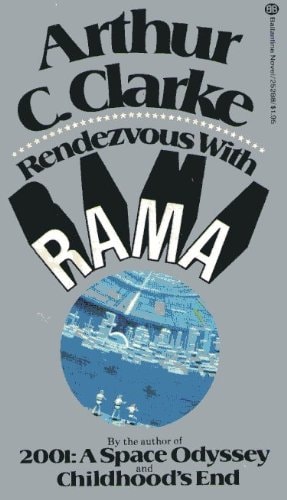
Ballantine Books
1976

Pan Books
1974

Ballantine Books
1974
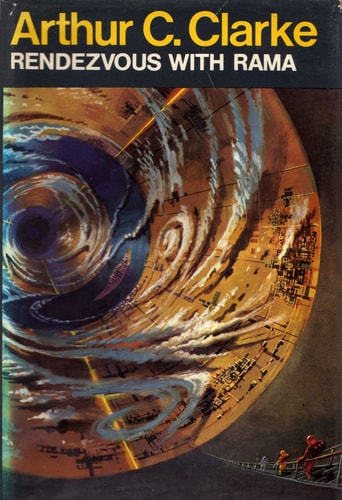
Gollancz
1973
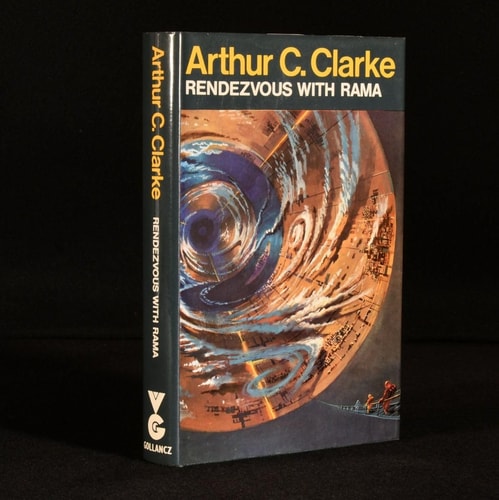
Harcourt Brace Jovanovich
1973

Ballantine Books
1973
Similar Books













Reader Comments
Share Your Thoughts
No comments yet. Be the first to share your thoughts!