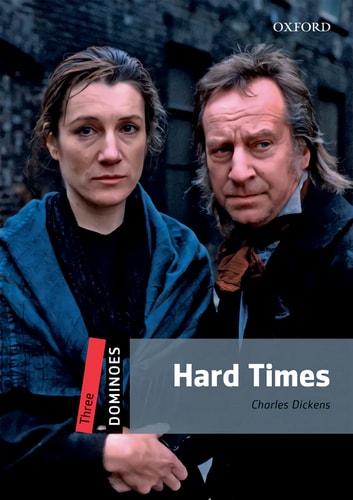
Hard Times
0
0
As an Amazon Associate and affiliate partner, Menrva Books earns from qualifying purchases. Learn more
Author Description
Thomas Gradgrind believes that facts and money are more important than feelings and imagination. After Cissy Jupe - a circus child - is left alone in the world, Gradgrind takes her into his house, looking after her and teaching her facts with his own children Tom and Louisa. Some years later the Gradgrind family meets hard times. Louisa becomes a prisoner in a loveless marriage, and Tom has problems at work. In the end, Thomas Gradgrind learns the importance of feelings and imagination.
Menrva's Summary
THE PULSE
Thomas Gradgrind’s rigid adherence to a philosophy of cold facts and utilitarianism is challenged when his own children and ward face the consequences of a life devoid of imagination. The narrative follows Gradgrind as he attempts to mold his children, Tom and Louisa, and a circus orphan named Cissy Jupe, into rational beings. As the children mature, the logical constraints of their upbringing collide with the complexities of human emotion and social pressure. The story unfolds through a third-person perspective that critiques the industrial era’s obsession with efficiency over human spirit.
INSIDE THE PAGES
- Satirical portrayal of Victorian educational systems
- Exploration of the conflict between utilitarianism and romanticism
- Character-driven narrative focusing on moral development
- Use of industrial settings to mirror internal emotional states
- Contrast between the circus world and the schoolroom
- Examination of loveless marriage as a social construct
- Development of the protagonist from dogmatic to empathetic
- Focus on the consequences of suppressing childhood imagination
THE COLLECTIVE ECHO
Readers frequently highlight the sharp social critique embedded in the narrative, noting how the author uses the Gradgrind family to expose the failures of a purely fact-based society. Discussion often centers on the stark contrast between the cold, mechanical environment of Coketown and the vibrant, humanizing influence of the circus. Critics often point to the pacing as deliberate, allowing for a thorough examination of how the characters' internal lives are stifled by their father's philosophy. The balance between character development and thematic messaging is a common point of analysis, with many readers appreciating the eventual transformation of the central figure. This work remains a significant study of the Victorian era's social tensions and the enduring necessity of empathy.
Page Count:
0
Publication Date:
2010-04-29
Publisher:
Oxford University Press España, S.A.
ISBN-10:
0194247783
ISBN-13:
9780194247788
Historical
Victorian
Words Language & Grammar
Reference
Educational
New Used & Rental Textbooks
classic
Social Commentary
Community Tags
Other Editions(12)

HarperCollins Publishers Limited
2021
Default edition
Lulu.com
2020
Amazon Digital Services LLC - KDP Print US
2019
Oxford University Press España, S.A.
2018

CreateSpace Independent Publishing Platform
2017
Oxford University Press España, S.A.
2010
Oxford University Press
2008
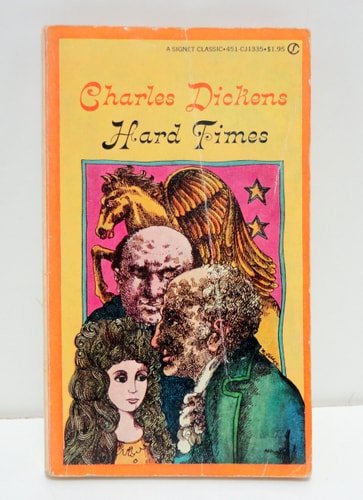
Oxford University Press
1989
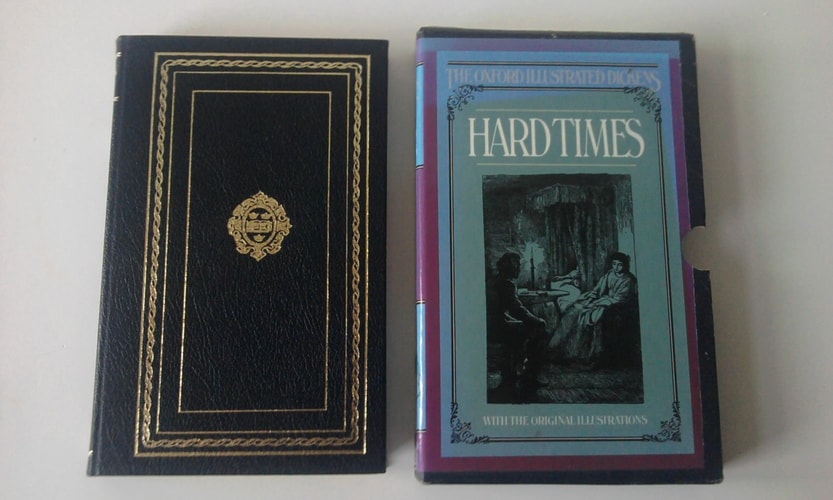
Oxford University Press
1988
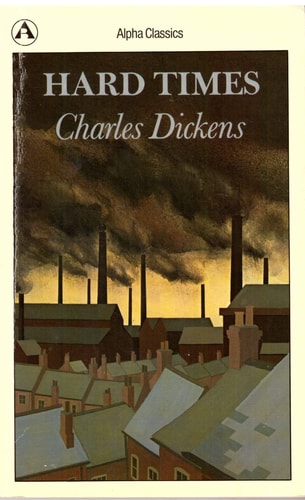
Oxford University Press
1979
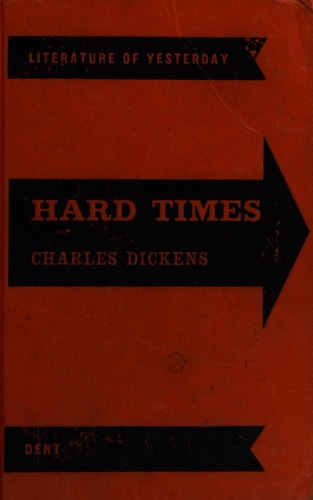
J. M. Dent & Sons
1957

Oxford University Press
1955
Similar Books





Reader Comments
Share Your Thoughts
No comments yet. Be the first to share your thoughts!