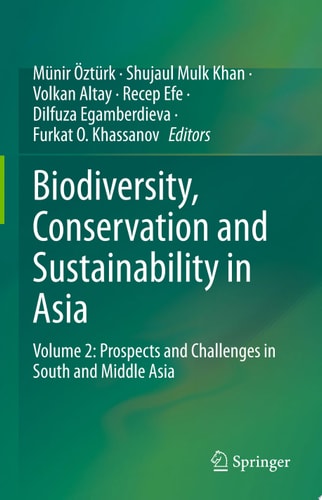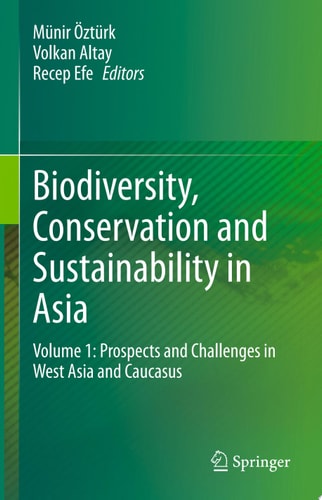
Biodiversity, Conservation and Sustainability in Asia
0
0
As an Amazon Associate and affiliate partner, Menrva Books earns from qualifying purchases. Learn more
Author Description
Of the world’s seven continents, Asia is the largest. Its physical landscapes, political units, and ethnic groups are both wide-ranging and many. Southwest, South and Middle Asia are highly populated regions which, as a whole, cover an extremely large area of varied geography. In total, this domain is unique in its plant diversity and large vegetation zones with different communities and biomes. It is rich in endemics, with specific and intraspecific diversity of fruit trees and medicinal plants, including a number of rare, high value, species. At the same time, much of the land in the region is too dry or too rugged, with many geographical extremes. Overgrazing, oil and mineral extraction, and poaching are the major threats in the area. This two-volume project focuses on the dynamic biodiversity of the region with in-depth analysis on phytosociology, plants, animals and agroecology. There are also chapters that explore new applications as well as approaches to overcome problems associated with climate change. Much of the research and analysis are presented here for the first time. We believe this work is a valuable resource for professionals and researchers working in the fields of plant diversity and vegetation, animal diversity and animal populations, and geo-diversity and sustainable land use, among others. The first volume guides our readers to West Asia and the Caucasus region, while volume two focuses on issues unique to South and Middle Asia.
Menrva's Summary
THE THESIS
This two-volume project investigates the dynamic biodiversity of Asia, focusing on its unique plant and animal diversity, vegetation zones, and the challenges to sustainable land use. The largest continent, Asia, presents a complex tapestry of physical landscapes, political units, and ethnic groups, with Southwest, South, and Middle Asia being particularly diverse and densely populated regions. These areas boast remarkable plant diversity, rich endemic species of fruit and medicinal plants, and varied vegetation communities, yet also face significant threats from overgrazing, resource extraction, and poaching. The work offers in-depth analysis of phytosociology, plants, animals, and agroecology, exploring new applications and approaches to address climate change impacts.
THE SCOPE MAP
- Detailed analysis of phytosociology, plants, and animal diversity across West Asia, the Caucasus, South Asia, and Middle Asia.
- Exploration of agroecology and sustainable land use practices in diverse Asian environments.
- Chapters dedicated to understanding and overcoming challenges posed by climate change.
- Presentation of research and analysis, much of which is published for the first time.
- Focus on endemic species, including fruit trees and medicinal plants, highlighting their value and vulnerability.
- Discussion of geographical extremes and human-induced threats such as overgrazing and poaching.
THE AUTHORITY PERSPECTIVE
This comprehensive work is presented as a valuable resource for professionals and researchers in fields such as plant and animal diversity, vegetation science, and sustainable land use. The editors' aim is to provide in-depth analysis and new insights into Asia's dynamic biodiversity, with a significant portion of the research appearing for the first time. The structure divides the content geographically, with Volume 1 covering West Asia and the Caucasus, and Volume 2 focusing on South and Middle Asia, suggesting a thorough and regionally specific approach to the subject matter.
Page Count:
655
Publication Date:
2021-04-24
Publisher:
Springer Nature
ISBN-10:
3030599280
ISBN-13:
9783030599287
Science
Non-Fiction
Climate Change
Agroecology
Asia
Vegetation
Ecology
Sustainability
Biodiversity
Conservation
Plant diversity
Community Tags
Similar Books