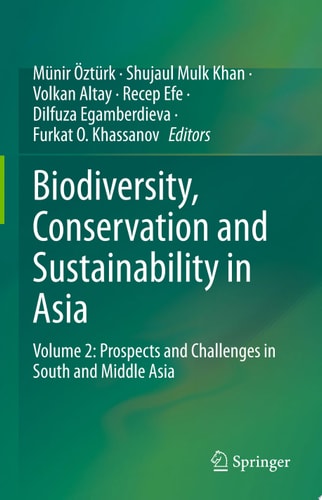
Biodiversity, Conservation and Sustainability in Asia
0
0
As an Amazon Associate and affiliate partner, Menrva Books earns from qualifying purchases. Learn more
Author Description
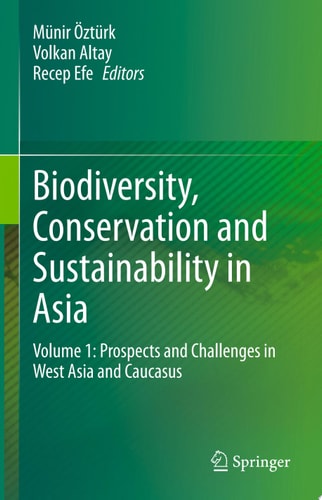
Of the world’s seven continents, Asia is the largest. Its physical landscapes, political units, and ethnic groups are both wide-ranging and many. Southwest, South and Middle Asia are highly populated regions which, as a whole, cover an extremely large area of varied geography. In total, this domain is unique in its plant diversity and large vegetation zones with different communities and biomes. It is rich in endemics, with specific and intraspecific diversity of fruit trees and medicinal plants, including a number of rare, high value, species. At the same time, much of the land in the region is too dry or too rugged, with many geographical extremes. Overgrazing, oil and mineral extraction, and poaching are the major threats in the area. This two-volume project focuses on the dynamic biodiversity of the region with in-depth analysis on phytosociology, plants, animals and agroecology. There are also chapters that explore new applications as well as approachesto overcome problems associated with climate change. Much of the research and analysis are presented here for the first time. We believe this work is a valuable resource for professionals and researchers working in the fields of plant diversity and vegetation, animal diversity and animal populations, and geo-diversity and sustainable land use, among others. The first volume guides our readers to West Asia and the Caucasus region, while volume two focuses on issues unique to South and Middle Asia.
Menrva's Summary
THE THESIS
This two-volume project investigates the dynamic biodiversity of Asia, focusing on its unique plant diversity, vegetation zones, and the threats it faces. The largest continent, Asia, presents a vast array of physical landscapes, political units, and ethnic groups, with Southwest, South, and Middle Asia being highly populated regions characterized by varied geography. The region is exceptionally rich in endemics, particularly fruit trees and medicinal plants, including rare, high-value species, despite significant geographical extremes like dry or rugged terrain. Major threats such as overgrazing, resource extraction, and poaching endanger this biodiversity, prompting in-depth analysis of phytosociology, plants, animals, and agroecology, alongside new approaches to climate change challenges.
THE SCOPE MAP
- In-depth analysis of phytosociology, plants, and animals across Asia.
- Exploration of agroecology and sustainable land use practices.
- Chapters dedicated to new applications and approaches for overcoming climate change impacts.
- Focus on the unique plant diversity and vegetation zones of the region.
- Identification and discussion of endemic species, including fruit trees and medicinal plants.
- Analysis of threats such as overgrazing, oil and mineral extraction, and poaching.
- Coverage of West Asia and the Caucasus region in Volume 1.
- Focus on South and Middle Asia in Volume 2.
THE AUTHORITY PERSPECTIVE
This work is presented as a valuable resource for professionals and researchers in fields such as plant diversity, vegetation, animal diversity, animal populations, geo-diversity, and sustainable land use. The research and analysis offered are stated to be presented for the first time in this publication. The scope covers both regional biodiversity dynamics and specific challenges like climate change, aiming to provide comprehensive insights into the Asian continent's ecological status.
Page Count:
1089
Publication Date:
2022-03-10
Publisher:
Springer Nature
ISBN-10:
3030739430
ISBN-13:
9783030739430
Non-Fiction
Science
Biodiversity
Asia
Agroecology
Conservation
Climate Change
Sustainability
Community Tags
Similar Books