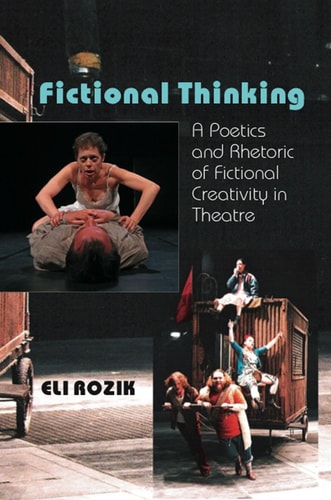
Fictional Thinking: A Poetics and Rhetoric of Fictional Creativity in Theatre
0
0
As an Amazon Associate and affiliate partner, Menrva Books earns from qualifying purchases. Learn more
Author Description
This book offers a theory of the archaic mode of fictional thinking and a methodology for the analysis of fictional worlds. It presupposes the mutual independence of the description of a fictional world, in any language or medium, and the described fictional world. Such a world is generated by an autonomous fictional structure, which reflects the spontaneous expectations of the spectator, and thematic specification. A model of this structure is presented, comprising seven layers: personified, mythical, praxical, naive, ironic and aesthetic -- and overriding these layers, the fictional experience on the level of relationship between the fictional world and spectator. This experience depends on the spectator's ability to complement such a description with pertinent associations, drawn from shared cultural resources, and psychical mechanisms of response. Explanations and examples are couched in poetic, pragmatic, aesthetic and rhetoric methodologies. An Introduction surveys the major contributions made to a methodology of fictional analysis since Aristotle's Poetics, problematises them and suggests possible alternatives. Part I is devoted to the inner structure of fictional worlds; i.e., to the poetic rules that generate them. The innovation of this approach lies in its multi-layered nature. Part II deals with the structure of the fictional experience, which is metaphoric and rhetoric in nature. Part III deals with the specific structures of fictional worlds that reflect the particular intentions and purposes of their authors. Part IV contains analyses of actual fictional worlds that illustrate the application of the previously presented principles. The focus throughout is on theatre fictional worlds which by their nature exhibit the most complex fictional thoughts that the human brain can generate. The theoretical insights gained for theatre assumedly apply to descriptions of such worlds in any language or medium. More than a hundred fictional worlds created during 25
Menrva's Summary
THE THESIS
This book presents a novel theory of fictional thinking and a comprehensive methodology for analyzing fictional worlds, particularly within the realm of theatre. Eli Rozik, drawing on his expertise in poetics and rhetoric, develops a multi-layered model of fictional world structure, comprising personified, mythical, praxical, naive, ironic, and aesthetic layers, all governed by the overarching fictional experience. This experience is shaped by the spectator's engagement with the fictional structure through associations and psychical responses, highlighting the inherent independence between a fictional world's description and the world itself. The work critically examines existing methodologies since Aristotle, proposing new frameworks for understanding the poetic generation of fictional worlds, the metaphoric and rhetoric nature of fictional experience, and the authorial intentions embedded within these creations.
THE SCOPE MAP
- A seven-layered model of fictional world structure: personified, mythical, praxical, naive, ironic, and aesthetic.
- An analysis of the spectator's role in generating fictional worlds through associations and psychical mechanisms.
- A critical survey of fictional analysis methodologies from Aristotle to contemporary approaches.
- Detailed analyses of actual fictional worlds, with a primary focus on theatrical examples.
THE AUTHORITY PERSPECTIVE
The book is positioned as a significant contribution to the study of fictional worlds, offering a unique multi-layered theoretical framework. Its approach is noted for its depth in exploring the poetic rules that generate these worlds and the rhetorical nature of the fictional experience. The analyses, particularly those focused on theatre, are intended to illustrate the broad applicability of the theoretical insights to any medium. The work is presented as a rigorous academic study for those interested in the cognitive and structural aspects of creativity and fictional representation.
Page Count:
323
Publication Date:
2009-01-01
Publisher:
Sussex Academic Press
ISBN-10:
184519327X
ISBN-13:
9781845193270
Non-Fiction
Literary theory
Rhetoric
Theatre studies
Community Tags
Similar Books