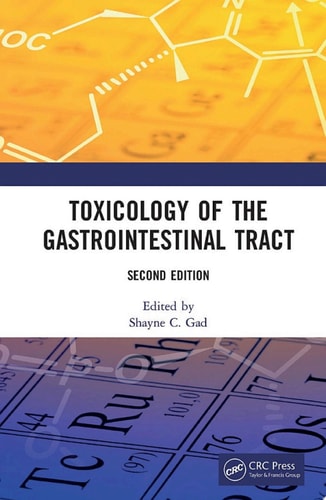
Toxicology of the Gastrointestinal Tract, Second Edition
0
0
As an Amazon Associate and affiliate partner, Menrva Books earns from qualifying purchases. Learn more
Author Description
The gastrointestinal tract is the most important of the three major routes of entry (and clearance) of xenobiotics and biologic entities into the bodies of mammals. As such, it is also the major route for administration of pharmaceuticals to humans. Gastrointestinal Toxicology, Second Edition describes the mechanism for entry and clearance of xenobiotics, as well as the barriers, immunologic and metabolic issues, and functions present in the GI tract. Appearing in this volume are also considerations of the microbiome and its actions and influence on the function of the GI tract and on the toxicity and pharmacodynamics of ingested substances (including nutrients, toxins, and therapeutics). These fifteen chapters written by experienced experts in the field address methods to evaluate GI function; specifics of GI function and toxicity assessment in canines and minipigs; classes of compounds with their toxicity; species differences; and the toxicity (and promise) of nanoparticles. Those needing to understand the structure, function, and methods of studying the GI tract will find this volume a singular source of reference.
Menrva's Summary
THE THESIS
The gastrointestinal tract serves as the primary route for xenobiotic entry and clearance, making its toxicology a critical area of study. This second edition details the mechanisms of xenobiotic entry and clearance within the GI tract, exploring its inherent barriers, immunological and metabolic considerations, and essential functions. It also incorporates the significant role of the microbiome in GI function and its influence on the toxicity and pharmacodynamics of ingested substances, including nutrients, toxins, and therapeutics. The volume is structured around fifteen chapters authored by field experts, covering methods for evaluating GI function, species-specific assessments in canines and minipigs, toxicity profiles of various compound classes, interspecies differences, and the toxicological aspects of nanoparticles.
THE SCOPE MAP
- Mechanisms of xenobiotic entry and clearance via the gastrointestinal tract.
- Barriers, immunological factors, and metabolic processes within the GI tract.
- The role and influence of the microbiome on GI function and xenobiotic interactions.
- Methods for evaluating gastrointestinal function.
- Specifics of GI function and toxicity assessment in canines and minipigs.
- Toxicity profiles of various classes of compounds.
- Considerations of species differences in GI toxicology.
- The toxicity and potential applications of nanoparticles in the GI tract.
THE AUTHORITY PERSPECTIVE
This comprehensive text is designed for professionals and researchers needing to understand the structure, function, and study methodologies of the gastrointestinal tract. The inclusion of expert contributions and coverage of diverse topics, from the microbiome to nanoparticles, positions it as a singular reference source. Its detailed examination of species-specific assessments and compound classes suggests a focus on practical application and comparative toxicology. The thoroughness of the content indicates its value for those engaged in pharmaceutical development, toxicology research, and veterinary medicine.
Page Count:
476
Publication Date:
2018-10-26
Publisher:
Taylor & Francis
ISBN-10:
0429781431
ISBN-13:
9780429781438
Science
Non-Fiction
Toxicology
Nanoparticles
Veterinary Medicine
Pharmacology
Community Tags
Similar Books