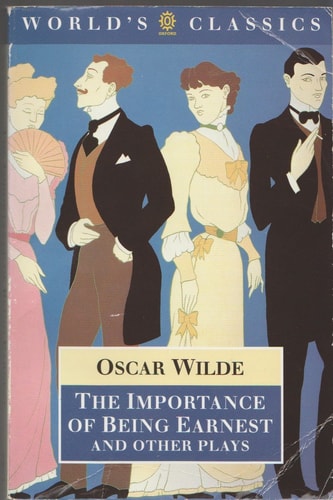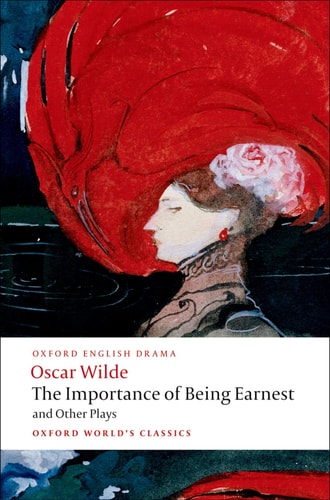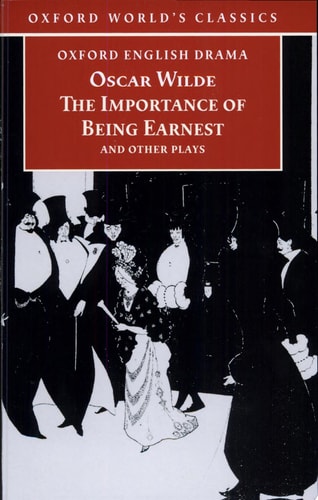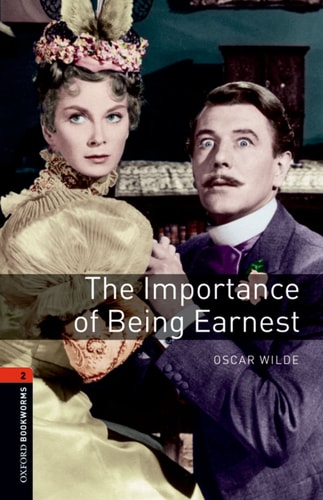
The Importance of Being Earnest
0
0
As an Amazon Associate and affiliate partner, Menrva Books earns from qualifying purchases. Learn more
Author Description
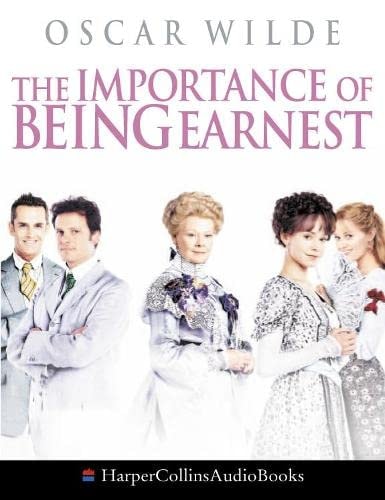
Algernon knows that his friend Jack does not always tell the truth: in town his name is Ernest; in the country he is Jack. But when Gwendolen says she can only love a man called Ernest, Jack decides to change his name. Cecily agrees to marry Algernon, but only if his name is Ernest, too, and things become difficult for the two young men.
Menrva's Summary
THE PULSE
The central conflict arises when two friends adopt the same pseudonym to navigate the rigid social expectations of Victorian courtship. Jack Worthing and Algernon Moncrieff both assume the name Ernest to secure the affections of women who refuse to marry anyone else. Their deception creates a series of logical complications as they attempt to maintain their dual identities while avoiding social scrutiny. The narrative unfolds through witty dialogue and situational irony, highlighting the absurdity of the upper-class preoccupation with appearances.
INSIDE THE PAGES
- Satirical critique of Victorian social conventions
- Use of mistaken identity as a primary plot device
- Sharp, epigrammatic dialogue characteristic of the author
- Exploration of the intersection between duty and desire
- Focus on the triviality of social rituals
- Fast-paced comedic timing
- Dramatic irony involving the audience and the characters
- Thematic focus on the nature of sincerity and artifice
THE COLLECTIVE ECHO
Readers and critics frequently highlight the play's enduring wit and its precise dissection of social hypocrisy. Discussion often centers on the clever wordplay and the author's ability to turn serious societal norms into objects of ridicule. The pacing is noted for its rapid-fire exchanges, which maintain a lighthearted atmosphere despite the underlying social commentary. Many observers appreciate how the work balances character-driven humor with a structured, farcical plot that remains effective across generations.
Page Count:
0
Publication Date:
2016-01-01
Publisher:
Oxford University Press España, S.A.
ISBN-10:
0194637697
ISBN-13:
9780194637695
Satire
Reference
Victorian
Comedy
classic
Words Language & Grammar
Play
New Used & Rental Textbooks