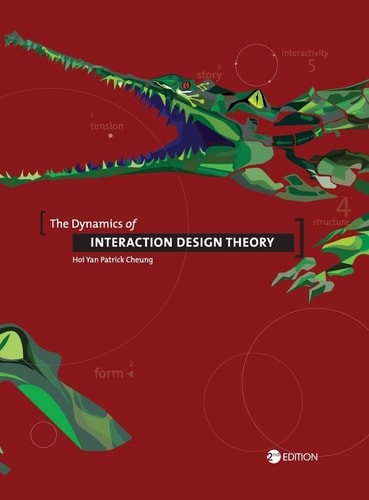
The Dynamics of Interaction Design Theory
0
0
As an Amazon Associate and affiliate partner, Menrva Books earns from qualifying purchases. Learn more
Author Description
Technology expands the range of design possibilities in visual language. The Dynamics of Interaction Design Theory explores different design principles under the five core areas of tension, form, story, structure, and interactivity, and offers a new perspective to learn and apply the conventional design process with new influences from motion graphics, narrative theory, and interaction design. To connect each design theory to its application, The Dynamics of Interaction Design Theory includes visual examples from daily life as well as design samples from different stages of the creative process. This helps readers visualize the impact of one small change in a design element to the overall message and effectiveness of communication. In addition, each chapter includes exercises to reinforce understanding. This book provides fundamental knowledge about using typography and image in visual layout. It takes a conversational approach to inspire alternative ways of seeing, understanding, experimenting, and reinventing the visual vocabulary for real-world projects. It is an invitation for graphic designers and non-graphic designers to contemplate the objects we see, feel, and interact with on a daily basis. Hoi Yan Patrick Cheung, Ph.D., has been teaching graphic design at Arizona State University since 2003, where his courses include dynamic visual representation and communication/interaction design theory. He is also the creative director of Knowledge Enterprise Development at Arizona State University, where he promotes research and innovation across traditional and digital platforms. Due to years of experience as a graphic designer, painter, and teacher, he firmly believes that design education should incorporate more than just visual language. Therefore, his research has explored the impact of manipulating time and sequence in visual communication, integrating design theory, practice, and education with sound and motion.
Menrva's Summary
THE THESIS
The Dynamics of Interaction Design Theory investigates how technology expands visual language and offers a new perspective on the conventional design process. The book explores design principles across five core areas: tension, form, story, structure, and interactivity. It integrates influences from motion graphics, narrative theory, and interaction design, connecting theoretical concepts to practical applications through visual examples from daily life and design samples. The author aims to help readers understand the impact of subtle changes in design elements on overall communication effectiveness, encouraging experimentation and reinvention of visual vocabulary for real-world projects.
THE SCOPE MAP
- Exploration of design principles within five core areas: tension, form, story, structure, and interactivity.
- Integration of influences from motion graphics, narrative theory, and interaction design.
- Inclusion of visual examples from daily life to illustrate design theory applications.
- Presentation of design samples from various stages of the creative process.
- Discussion on the impact of manipulating typography and image in visual layout.
- Exercises included in each chapter to reinforce reader understanding.
- Conversational approach to inspire alternative ways of seeing, understanding, and experimenting with visual language.
- Focus on contemplating everyday objects, their perception, and interaction.
THE AUTHORITY PERSPECTIVE
The book is presented as a comprehensive guide for graphic and non-graphic designers seeking to understand and apply contemporary design principles. Its approach, integrating theory with practical examples and exercises, suggests it is intended to be an educational resource for students and professionals alike. The author's background in teaching and creative direction at Arizona State University indicates a foundation in both academic rigor and practical application. The emphasis on visual language, motion graphics, and narrative theory points to a text that aims to bridge traditional design education with emerging digital influences.
Page Count:
178
Publication Date:
2017-01-06
Publisher:
Cognella Academic Publishing
ISBN-10:
1516550749
ISBN-13:
9781516550746
Science
Non-Fiction
Art
Graphic Design
Design
Narrative Theory
Interaction Design
Typography
Community Tags
Other Editions(2)

Similar Books












Reader Comments
Share Your Thoughts
No comments yet. Be the first to share your thoughts!