Handbook of Microbiome and Gut-Brain-Axis in Alzheimer's Disease
0
0
As an Amazon Associate and affiliate partner, Menrva Books earns from qualifying purchases. Learn more
Author Description
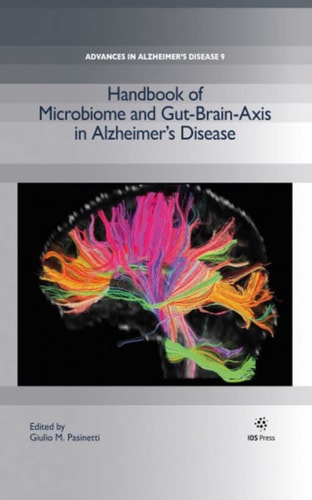
Despite being confined to the gastrointestinal tract, the gut microbiome has a wide impact on human physiology, supplementing its host's biochemistry in a complex symbiotic relationship. Research in the field has evolved rapidly in the last decade, and we are now developing a better understanding of how our gut microbiome can influence our immune systems, metabolism, neurological signaling, and perhaps most unexpectedly, our brains; a phenomenon described as the gut-brain-axis.This book, 'Handbook of Microbiome and Gut-Brain-Axis in Alzheimer's Disease', sets out to explore the complex role of the microbiome with regard to Alzheimer's disease (AD). The microbiome is a critical and often overlooked aspect of immunity, which in turn plays a role in cognition. The book presents current research into the gut microbiota and its far-reaching impacts on cognitive function and neurodegeneration. Interventions, including probiotic supplementation, fecal transfer, and supplementation with microbial metabolites, are discussed, as is the use of certain probiotics to study the effects of the gut microbiota on behavior and cognitive function, and as potential therapeutics for AD. Other topics covered include the influence of the gut and oral microbiota on immune inflammatory signals: cytokines, neuroendocrine hormones, bacterial components, neuroactive molecules, and microbial metabolites.The book is divided into four sections, each covering a research area pertinent to the gut-brain-axis and its relationship with cognitive function and AD. It will be of interest to all those whose work includes the study and understanding of these complex, multi-variable biological mechanisms, particularly in the context of cognitive function and AD.The cover shows a color edited MRI image of a sagittal section of a neurological control brain of Dr. Giulio Maria Pasinetti.
Menrva's Summary
THE THESIS
This handbook investigates the intricate relationship between the gut microbiome and Alzheimer's disease, exploring how microbial communities influence neurological health and cognitive function. The book details current research on the gut microbiota's impact on neurodegeneration, presenting potential therapeutic interventions such as probiotic supplementation and fecal microbiota transplantation. It examines the role of gut and oral microbiota in modulating immune inflammatory signals, including cytokines and neuroendocrine hormones, and their connection to cognitive decline. The work is structured into four sections, each dedicated to a specific research area within the gut-brain axis and its implications for Alzheimer's.
THE SCOPE MAP
- The symbiotic relationship between the gut microbiome and human physiology.
- The influence of the gut microbiome on immune systems, metabolism, and neurological signaling.
- Current research on the gut microbiota's role in cognitive function and neurodegeneration.
- Therapeutic interventions for Alzheimer's disease, including probiotics and fecal transfer.
- The impact of gut and oral microbiota on immune inflammatory signals like cytokines.
- The role of neuroendocrine hormones, bacterial components, and neuroactive molecules.
- Microbial metabolites and their influence on brain health.
- A four-section structure covering key research areas of the gut-brain axis and AD.
THE AUTHORITY PERSPECTIVE
This handbook is positioned as a comprehensive resource for researchers and clinicians studying the complex interplay between the gut microbiome and Alzheimer's disease. The content focuses on presenting current research and potential therapeutic avenues, suggesting it is aimed at a specialist audience. The detailed examination of microbial influences on immune and neurological signals indicates a text that delves into the mechanistic aspects of the disease. Its structure into four distinct research areas suggests a systematic approach to understanding this multifaceted biological relationship.
Page Count:
732
Publication Date:
2022-07-28
Publisher:
SAGE Publications, Limited
ISBN-10:
1643682881
ISBN-13:
9781643682884
Health
Science
Non-Fiction
Microbiology
Neuroscience
Community Tags
Similar Books