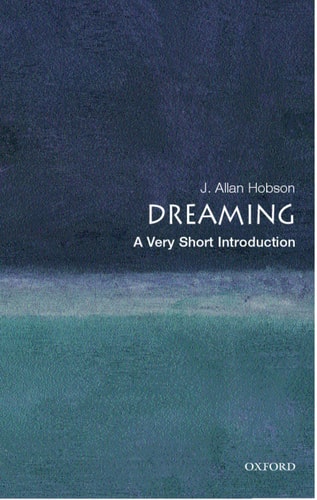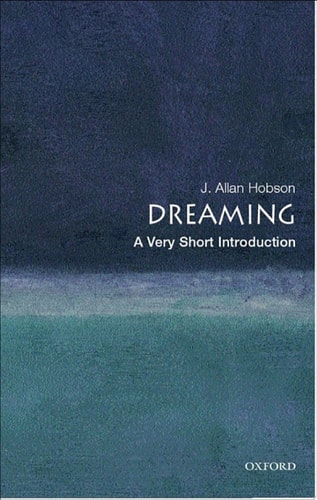
Dreaming: A Very Short Introduction
0
0
As an Amazon Associate and affiliate partner, Menrva Books earns from qualifying purchases. Learn more
Author Description
What is dreaming, and what causes it? Why are dreams so strange and why are they so hard to remember? Replacing dream mystique with modern dream science, J. Allan Hobson provides a new and increasingly complete picture of how dreaming is created by the brain. Focusing on dreaming to explain the mechanisms of sleep, this book explores how the new science of dreaming is affecting theories in psychoanalysis, and how it is helping our understanding of the causes of mental illness. J. Allan Hobson investigates his own dreams to illustrate and explain some of the fascinating discoveries of modern sleep science, while challenging some of the traditionally accepted theories about the meaning of dreams. He reveals how dreaming maintains and develops the mind, why we go crazy in our dreams in order to avoid doing so when we are awake, and why sleep is not just good for health but essential for life. ABOUT THE SERIES: The Very Short Introductions series from Oxford University Press contains hundreds of titles in almost every subject area. These pocket-sized books are the perfect way to get ahead in a new subject quickly. Our expert authors combine facts, analysis, perspective, new ideas, and enthusiasm to make interesting and challenging topics highly readable.
Menrva's Summary
THE THESIS
This book investigates the biological mechanisms of dreaming and how modern neuroscience challenges traditional psychoanalytic interpretations of dream content. J. Allan Hobson, a prominent psychiatrist and sleep researcher, utilizes his extensive background in neurophysiology to present a framework where dreaming is understood as a byproduct of brain activity during sleep. He argues that dreaming serves a functional role in maintaining mental health and cognitive development, moving the discourse away from mystical or purely symbolic explanations.
THE SCOPE MAP
What You Will Find
- Neurobiological explanations of REM sleep and brain activation patterns
- Analysis of the relationship between dreaming and mental illness
- Personal dream logs used as case studies for scientific illustration
- Critique of Freudian and other psychoanalytic dream theories
Scope Limits
- Does not provide a comprehensive history of dream interpretation in literature or mythology
- Does not offer clinical advice for treating sleep disorders
THE AUTHORITY PERSPECTIVE
Experts recognize this text as a concise and accessible entry point into the neurobiology of sleep for students and laypeople. Readers frequently note that the prose is dense with scientific terminology, yet it remains a foundational resource for understanding the shift from psychoanalytic to biological models of dreaming.
Page Count:
169
Publication Date:
2005-01-01
Publisher:
OUP Oxford
ISBN-10:
019157760X
ISBN-13:
9780191577604
Non-Fiction
Science
Psychology
Sleep Studies
Neuroscience