Heavy Processing
0
0
As an Amazon Associate and affiliate partner, Menrva Books earns from qualifying purchases. Learn more
Author Description
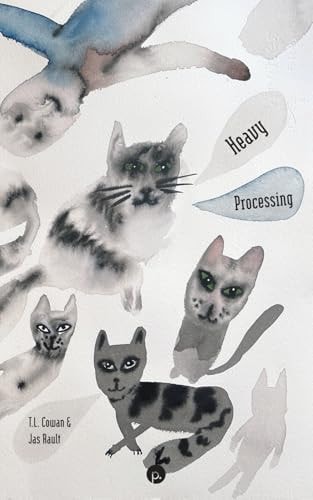
What happens with we take the joke "lesbian processing" seriously as a research model? Heavy Processing does just this, by tracing the multi-directional genealogies and vast affinities of processing-heavy methods as innovations in information technologies (operating systems, central processing units, network designs). Part methods handbook, manifesto, and survival guide, this book opens the fields of information studies, data studies, digital media studies, and digital humanities to critical digital methods, information technologies, and infrastructures: trans- feminist and queer (TFQ) cultural protocols and ways of working. Cowan and Rault offer heavy processing as a maximalist research method, consistent with a long and proud lesbian-leaning TFQ tradition of making a mountain out of a molehill. Heavy Processing draws together activist, artistic, and scholarly work that is both about and not about digital materials to critically reorient digital research methods calibrated for accountability, relationship-building, and trust as measures of scholarly rigor. A raging romp of a methods manual, Cowan and Rault offer and alternative to mass digitization in the form of TFQ processing for analog and born digital materials. They write for students, faculty, and researchers, as well as for information, cultural heritage, and tech-sector professionals; for anyone interested in digital media and feminist, queer, and transcultural studies; and for anyone who has ever been studies.
Menrva's Summary
THE THESIS
This book investigates how to adapt 'lesbian processing' as a serious research model for information technologies. It traces the genealogies of processing-heavy methods within operating systems, CPUs, and network designs, offering a maximalist research method consistent with trans-feminist and queer (TFQ) traditions. The authors present this as a handbook, manifesto, and survival guide, aiming to reorient digital research methods toward accountability, relationship-building, and trust.
THE SCOPE MAP
- What happens when 'lesbian processing' is taken seriously as a research model.
- Genealogies and affinities of processing-heavy methods in information technologies.
- Applications in operating systems, central processing units, and network designs.
- TFQ cultural protocols and ways of working in information studies, data studies, digital media studies, and digital humanities.
- A maximalist research method for critical digital methods, technologies, and infrastructures.
- Activist, artistic, and scholarly work related to digital and non-digital materials.
- Alternative to mass digitization: TFQ processing for analog and born-digital materials.
- Measures of scholarly rigor: accountability, relationship-building, and trust.
THE AUTHORITY PERSPECTIVE
The book is presented as a methods handbook, manifesto, and survival guide, intended to open fields like information studies, data studies, digital media studies, and digital humanities to critical digital methods and infrastructures through a trans-feminist and queer lens. It offers 'heavy processing' as a maximalist research method, aligning with TFQ traditions of thorough analysis. The work aims to reorient digital research by emphasizing accountability, relationship-building, and trust as measures of rigor, providing an alternative to mass digitization for both analog and born-digital materials.
Page Count:
245
Publication Date:
2024-01-01
Publisher:
Nielsen Bookdata
ISBN-10:
1685711200
ISBN-13:
9781685711207
Non-Fiction
Feminist Theory
Research Methods
Queer Studies
Information Studies