The Physiology and Biochemistry of Prokaryotes
0
0
As an Amazon Associate and affiliate partner, Menrva Books earns from qualifying purchases. Learn more
Author Description
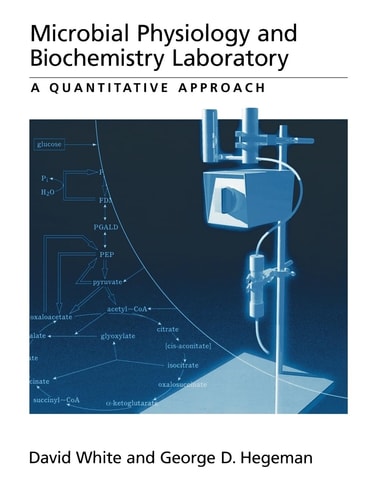
Ideal for graduate and upper-level undergraduate courses in microbial physiology and biochemistry, The Physiology and Biochemistry of Prokaryotes, 2/e, covers the basic principles of prokaryotic physiology, biochemistry, and cell behavior. Concise and detailed, it discusses a broad range of topics including intermediary metabolism, macromolecular synthesis, cell growth and division, and responses to changes in external growth conditions. Metabolic and behavioral activities of different bacteria and archaea are described and compared with each other. The text is organized by topic--as opposed to by organism--to help students comprehend the general principles of physiology and metabolism. It is extensively referenced and includes endnotes that provide students with additional information such as the experimental bases for several of the major conclusions. Each chapter concludes with a summary emphasizing the major points covered and a set of study questions.Revised and updated throughout, this second edition features new chapters on macromolecular synthesis and the response of bacteria to environmental stress. It also includes new material on cell division and extracellular polysaccharide synthesis and expands the chapter on signaling. The Physiology and Biochemistry of Prokaryotes, 2/e, provides more detail on the diversity of microbial systems and how they work than all similar texts. It can be used in conjunction with a laboratory manual, Microbial Physiology and Biochemistry Laboratory: A Quantitative Approach, coauthored by David White and George D. Hegeman (OUP, 1997).
Menrva's Summary
THE THESIS
This text investigates the fundamental physiological and biochemical mechanisms that govern the survival, growth, and behavior of prokaryotic organisms. Author David White, a recognized expert in microbial physiology, utilizes a thematic organizational framework to synthesize complex metabolic data and cellular processes. By focusing on general principles rather than specific organisms, the text provides a comprehensive overview of how bacteria and archaea adapt to diverse environmental conditions.
THE SCOPE MAP
What You Will Find
- Detailed analysis of intermediary metabolism and macromolecular synthesis.
- Examination of cell growth, division, and extracellular polysaccharide production.
- Comparative studies of metabolic and behavioral activities across various bacterial and archaeal species.
- Pedagogical tools including chapter summaries, study questions, and extensive experimental references.
THE AUTHORITY PERSPECTIVE
Experts and educators frequently cite this work as a foundational text for upper-level undergraduate and graduate courses in microbiology. Readers often note the academic density of the prose, which is balanced by clear thematic organization and rigorous scientific detail.
Page Count:
600
Publication Date:
2000-01-01
Publisher:
Oxford University Press
ISBN-10:
0195125797
ISBN-13:
9780195125795
Science
Biology
textbook
Biochemistry
Prokaryotes
Microbiology
Bacteria
Community Tags
Similar Books