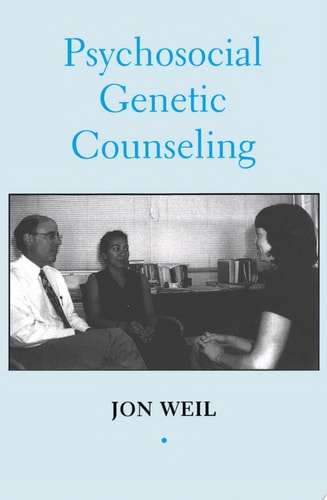
Psychosocial Genetic Counseling
0
0
As an Amazon Associate and affiliate partner, Menrva Books earns from qualifying purchases. Learn more
Author Description
Psychosocial issues are integral to all genetic counseling interactions. They include counselees' beliefs about the cause of birth defects and genetic disorders, the cognitive procession of medical information and risk figures, emotions such as anxiety and guilt, and the complex process of decision making. Drawing on direct clinical experience and the growing body of relevant literature, Psychosocial Genetic Counseling provides a comprehensive, integrated approach to understanding these issues and their applications to genetic counseling.The book combines theoretical and practical approaches, including many clinical vignettes and examples of dialogue. It is written in an engaging style that conveys the emotional immediacy of genetic counseling. The emotional and social effects of genetic disorders are discussed with reference to the individual and to couple, family, and social interactions. Counseling techniques and the agenda of the genetic counseling session are then addressed in detail. Specialized aspects of prenatal diagnosis counseling, cancer risk counseling, and genetic counseling with children and adolescents are integrated with these general principles. Nondirective counseling and the psychology of risk interpretation and decision making are discussed from theoretical and historical perspectives, leading to recommendations for their application to clinical practice. The influences of ethnocultural history, beliefs and practices, for counselee and counselor, are then discussed as they enter into all aspects of genetic counseling.
Menrva's Summary
THE THESIS
This book investigates the essential role of psychosocial dynamics in the practice of genetic counseling, arguing that medical information cannot be separated from the emotional and cognitive context of the patient. Author Jon Weil, a seasoned clinician, synthesizes theoretical frameworks with practical clinical experience to provide a comprehensive guide for practitioners. He posits that understanding the intersection of belief systems, risk perception, and family history is critical for effective counseling outcomes.
THE SCOPE MAP
What You Will Find
- Theoretical and historical perspectives on nondirective counseling and risk interpretation.
- Clinical vignettes and dialogue examples illustrating complex patient interactions.
- Specialized guidance for prenatal, cancer risk, and pediatric genetic counseling.
- Analysis of ethnocultural influences on the counseling process for both the patient and the provider.
THE AUTHORITY PERSPECTIVE
Experts recognize this work as a foundational text that successfully bridges the gap between clinical genetics and psychological practice. Readers frequently note the clarity of the prose and the utility of the provided case studies in navigating difficult patient scenarios.
Page Count:
320
Publication Date:
2000-09-15
Publisher:
Oxford University Press
ISBN-10:
0195120663
ISBN-13:
9780195120660
Psychology
Genetics
Medical
Counseling
Sociology
Community Tags
Other Editions(4)

Similar Books



Reader Comments
Share Your Thoughts
No comments yet. Be the first to share your thoughts!