
Quality Living Through Chemurgy and Green Chemistry
0
0
As an Amazon Associate and affiliate partner, Menrva Books earns from qualifying purchases. Learn more
Author Description
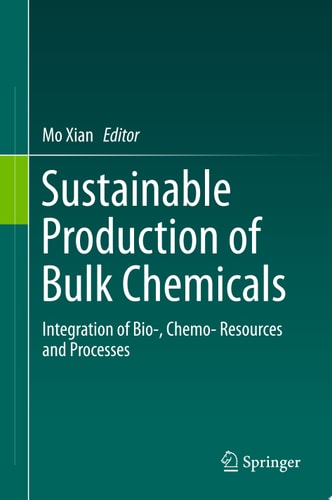
This book is intended to give readers an appreciation of what the future holds, as cutting-edge technologies in synthetic biology and pathway engineering and advanced bioprocessing development pave the way for providing goods and services to benefit humankind that are based on the synergy of two biomasses - i.e. of what a renewable feedstock could yield and an infinite microbial biomass could provide in terms of enzymes and biocatalysts. This 13-chapter book, with an introductory treatise on the guiding principles of green chemistry and engineering metrics, brings together a broad range of research and innovation agendas and perspectives from industries, academia and government laboratories using renewable feedstocks that include macroalgae and lignins. In addition, social-economic aspects and the pillars of competitiveness in regional cluster development are explored as we transition from fossil-fuel-based economies to a circular bioeconomy, with chemurgy and green chemistry beingimplicit to the innovation movement. The bulk of the book covers specific applications including the bioproduction of amino sugars, dicarboxylic acids, omega-3 fatty acids, starch and fermentable sugars from lignocellulosic materials, and phenolics as building blocks for polymer synthesis. Enzymatic systems for accessing chiral and special-purpose chemicals, as well as the development of specialized enzymes from macroalgae for biofuel and biochemical production are also addressed. Research gaps, hurdles to overcome in various biological processes, and present achievements in the production of biofuels and biochemicals from lignocellulosic materials are discussed. Going beyond the conventional expectation of discussing the production of drop-in chemicals, the book instead emphasizes how the potential of new chemicals and materials can be harnessed through innovative thinking and research. As such, it provides an invaluable reference source for researchers and graduatestuden
Menrva's Summary
THE THESIS
This book explores the future of sustainable production through the integration of chemurgy and green chemistry, leveraging advancements in synthetic biology and bioprocessing. It details how renewable feedstocks, such as macroalgae and lignins, can be synergistically combined with microbial biomass to yield valuable goods and services. The work examines the transition from fossil-fuel-based economies to a circular bioeconomy, emphasizing the role of innovation and regional cluster development.
THE SCOPE MAP
- Introductory treatise on the guiding principles of green chemistry and engineering metrics.
- Exploration of research and innovation agendas from industry, academia, and government laboratories.
- Discussion of renewable feedstocks including macroalgae and lignins.
- Analysis of socio-economic aspects and competitiveness in regional cluster development for a circular bioeconomy.
- Specific applications such as the bioproduction of amino sugars, dicarboxylic acids, omega-3 fatty acids, starch, fermentable sugars, and phenolics.
- Coverage of enzymatic systems for accessing chiral and special-purpose chemicals.
- Discussion of research gaps, hurdles, and achievements in biofuel and biochemical production from lignocellulosic materials.
THE AUTHORITY PERSPECTIVE
This book is positioned as an invaluable reference for researchers and graduate students, offering insights into cutting-edge technologies in synthetic biology and bioprocessing. It delves into the practical applications of chemurgy and green chemistry, moving beyond conventional drop-in chemicals to explore the potential of novel compounds and materials. The work addresses the transition to a circular bioeconomy, integrating technical discussions with socio-economic considerations.
Page Count:
369
Publication Date:
2018-07-13
Publisher:
Springer Berlin Heidelberg
ISBN-10:
3662571544
ISBN-13:
9783662571545
Science
Non-Fiction
Synthetic Biology
Bioprocessing
Community Tags
Other Editions(2)

Similar Books


Reader Comments
Share Your Thoughts
No comments yet. Be the first to share your thoughts!