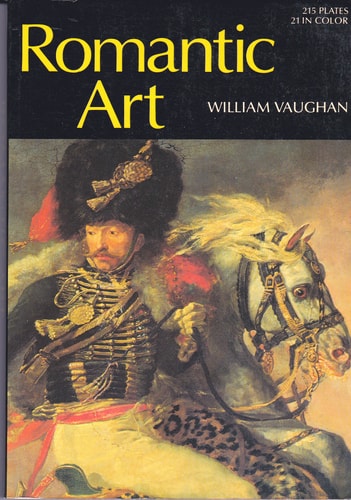
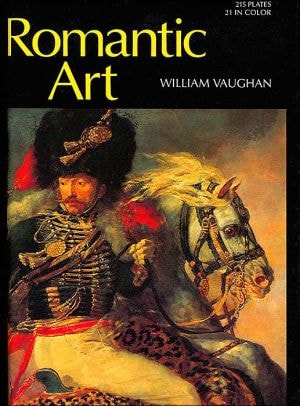
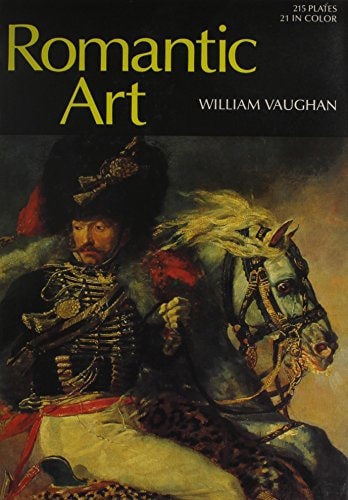
Romantic Art
0
0
As an Amazon Associate and affiliate partner, Menrva Books earns from qualifying purchases. Learn more
Author Description
In the age of revolutions, at the end of the 18th century, the mental and spiritual life of Europe and North America began to undergo a historic and irreversible change. The ideas of spontaneity, direct expression and natural feeling transformed the arts, encouraging artists to explore the extremes in human nature, from heroism to insanity and despair. Previously published as "Romantic Art" and now revised, William Vaughan's study analyses the achievement of the leading artists of the age - masters such as Goya, Blake, Gericault, Turner and Delacroix - and sets in context a host of fascinating figures in painting, sculpture and architecture: Palmer, Runge, Soane, Gros, Overbeck, Schinkel, Flaxman, Pugin, Bingham and many more. The result is an account of a dramatic and contradictory artistic epoch.
Menrva's Summary
THE THESIS
This work investigates how the shift toward spontaneity and natural feeling during the late 18th century fundamentally altered the trajectory of Western art. William Vaughan, a recognized scholar in the field of art history, utilizes a comprehensive analysis of the Romantic movement to demonstrate how artists transitioned from classical constraints to exploring the extremes of the human condition. By examining the works of both iconic masters and lesser-known figures, the author constructs a framework that links artistic output to the broader socio-political revolutions of the era.
THE SCOPE MAP
What You Will Find
- A detailed survey of the Romantic movement across Europe and North America.
- Critical analysis of painting, sculpture, and architecture from the late 18th to mid-19th century.
- Biographical and stylistic examinations of figures including Goya, Blake, Turner, Delacroix, and Soane.
- Contextualization of artistic shifts within the era's political and spiritual revolutions.
THE AUTHORITY PERSPECTIVE
Experts frequently cite this volume as a reliable and thorough examination of the Romantic period's diverse artistic expressions. Readers often note that the text provides a balanced overview that successfully integrates major masters with significant but less-discussed contributors to the movement.
Page Count:
288
Publication Date:
1978-01-01
Publisher:
Oxford Univ Press
ISBN-10:
0195199812
ISBN-13:
9780195199819
Architecture
European History
Sculpture
Romanticism
Painting
Art History
Community Tags
Other Editions(3)
Similar Books