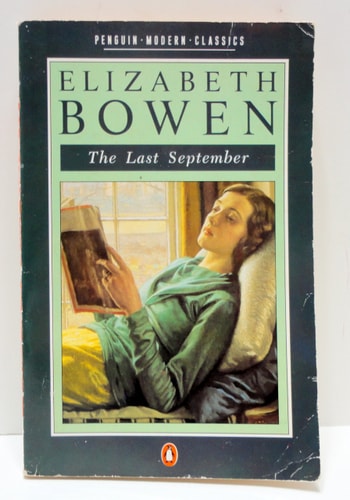
The Last September
0
0
As an Amazon Associate and affiliate partner, Menrva Books earns from qualifying purchases. Learn more
Author Description
The Last September is Elizabeth Bowen's portrait of a young woman's coming of age in a brutalized time and place, where the ordinariness of life floats like music over the impending doom of history.In 1920, at their country home in County Cork, Sir Richard Naylor and his wife, Lady Myra, and their friends maintain a skeptical attitude toward the events going on around them, but behind the facade of tennis parties and army camp dances, all know that the end is approaching—the end of British rule in the south of Ireland and the demise of a way of life that had survived for centuries. Their niece, Lois Farquar, attempts to live her own life and gain her own freedoms from the very class that her elders are vainly defending. The Last September depicts the tensions between love and the longing for freedom, between tradition and the terrifying prospect of independence, both political and spiritual."Brilliant.... A successful combination of social comedy and private tragedy."—The Times Literary Supplement (London)
Menrva's Summary
THE PULSE
As the Irish War of Independence encroaches upon their estate, a young woman struggles to define her identity against the backdrop of a crumbling social order. Lois Farquar navigates the rigid expectations of her Anglo-Irish relatives at Danielstown, their country home in County Cork. While her elders attempt to maintain a facade of normalcy through social engagements, Lois seeks personal autonomy and escape from the suffocating traditions of her class. The narrative captures the friction between private desires and the inevitable collapse of a historical era.
INSIDE THE PAGES
- Atmospheric depiction of the Anglo-Irish country house lifestyle
- Exploration of the transition from adolescence to adulthood
- Subtle integration of political tension into domestic life
- Focus on the psychological interiority of the protagonist
- Use of social comedy to highlight underlying tragedy
- Detailed observation of class dynamics in 1920s Ireland
- Contrast between external stability and internal restlessness
- Examination of the limitations placed on women during the period
THE COLLECTIVE ECHO
Readers and critics frequently highlight the precision of the prose and the author's ability to balance social observation with personal tragedy. Discussion often centers on the effectiveness of the atmosphere, where the impending political doom is felt through the mundane details of daily life. Many note that the pacing is deliberate, favoring character development and thematic depth over rapid plot progression. The work is often praised for its nuanced portrayal of a specific historical moment without resorting to overt melodrama. Readers interested in character-driven narratives that examine the intersection of history and individual identity will find this work particularly engaging.
Page Count:
208
Publication Date:
1987-03-03
Publisher:
Penguin Books
ISBN-10:
014000372X
ISBN-13:
9780140003727
Fiction
Coming of Age
Historical
classic
Literary
Irish literature
Community Tags
Similar Books