A Handful of Dust
0
0
As an Amazon Associate and affiliate partner, Menrva Books earns from qualifying purchases. Learn more
Author Description
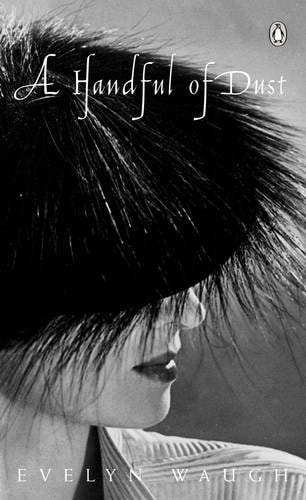
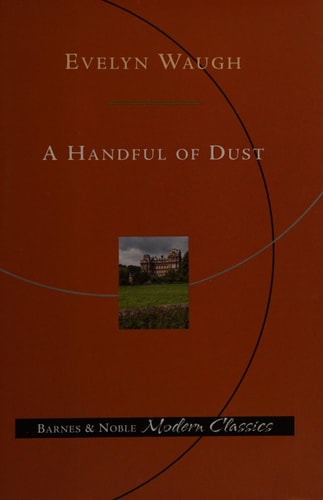
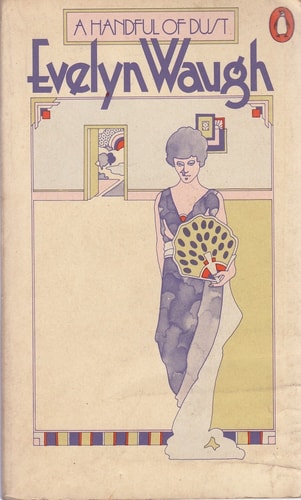
Taking its title from T.S. Eliot's modernist poem "The Waste Land", Evelyn Waugh's "A Handful of Dust" is a chronicle of Britain's decadence and social disintegration between the First and Second World Wars. This "Penguin Modern Classics" edition is edited with an introduction and notes by Robert Murray Davis. After seven years of marriage, the beautiful Lady Brenda Last is bored with life at Hetton Abbey, the Gothic mansion that is the pride and joy of her husband, Tony. She drifts into an affair with the shallow socialite John Beaver and forsakes Tony for the Belgravia set. Brilliantly combining tragedy, comedy and savage irony, "A Handful of Dust" captures the irresponsible mood of the 'crazy and sterile generation' between the wars. This breakdown of the Last marriage is a painful, comic re-working of Waugh's own divorce, and a symbol of the disintegration of society.
Menrva's Summary
THE PULSE
The stability of Tony Last's life at Hetton Abbey collapses when his wife, Brenda, initiates an affair with a socialite, triggering a sequence of events that exposes the moral vacuum of the British upper class. Tony Last, a man devoted to the preservation of his ancestral home, finds his world dismantled by the capricious whims of his wife and the shallow social circles of London. The narrative follows his descent from a position of comfortable domesticity into a surreal and isolated fate, highlighting the disconnect between traditional values and the emerging modern cynicism. Waugh utilizes a detached, ironic tone to document the disintegration of both a marriage and the social order of the interwar period.
INSIDE THE PAGES
- Satirical portrayal of the British aristocracy
- Juxtaposition of Gothic tradition and modern vacuity
- Use of irony to underscore tragic developments
- Exploration of marital infidelity and social alienation
- Shift in narrative tone from domestic comedy to bleak tragedy
- Critique of the 'lost generation' between the World Wars
- Symbolic representation of societal decay through the decline of Hetton Abbey
- Influence of modernist literary themes and motifs
THE COLLECTIVE ECHO
Discussion often centers on the abrupt shift in tone that occurs as the narrative progresses from social comedy to a bleak, almost existential conclusion. Readers frequently highlight the author's ability to maintain a cold, clinical distance while depicting the destruction of the protagonist's life. Critics often point to the novel as a definitive critique of the moral bankruptcy prevalent in the British upper classes during the 1930s. The effectiveness of the satire is frequently debated, with many noting that the humor serves to heighten the underlying sense of dread and futility. The work remains a subject of study for its structural precision and its unflinching look at the collapse of traditional social structures.
Page Count:
224
Publication Date:
1980-01-01
Publisher:
Penguin
ISBN-10:
0140008225
ISBN-13:
9780140008227
Satire
Social Commentary
Humor & Satire
Literary
classic
Classics
British & Irish
British literature
Tragicomedy