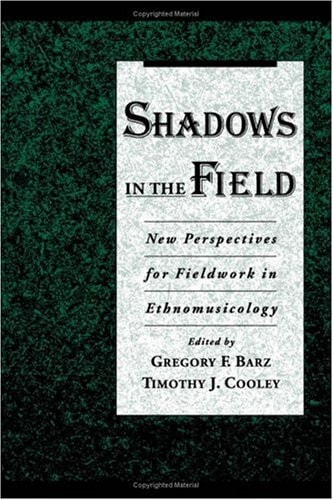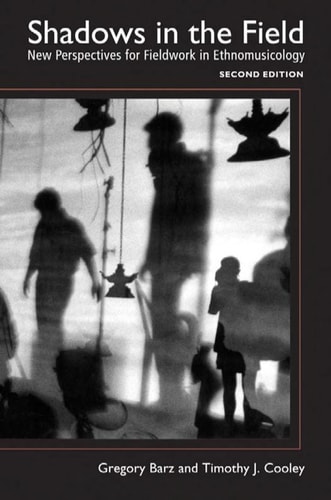
Shadows in the Field: New Perspectives for Fieldwork in Ethnomusicology
0
0
As an Amazon Associate and affiliate partner, Menrva Books earns from qualifying purchases. Learn more
Author Description
Ethnomusicological fieldwork has significantly changed since the end of the the 20th century. Ethnomusicology is in a critical moment that requires new perspecitves on fieldwork - perspectives that are not addressed in the standard guides to ethnomusicological or anthropological method. The focus in ethnomusicological writing and teaching has traditionally centered around analyses and ethnographic representations of musical cultures, rather than on the personal world of understanding, experience, knowing, and doing fieldwork. Shadows in the Field deliberately shifts the focus of ethnomusicology and of ethnography in general from representation (text) to experience (fieldwork). The "new fieldwork" moves beyond mere data collection and has become a defining characteristic of ethnomusicology that engages the scholar in meaningful human contexts.In this new edition of Shadows in the Field, renowned ethnomusicologists explore the roles they themselves act out while performing fieldwork and pose significant questions for the field: What are the new directions in ethnomusicological fieldwork? Where does fieldwork of "the past" fit into these theories? And above all, what do we see when we acknowledge the shadows we cast in the field?The second edition of Shadows in the Field includes updates of all existing chapters, a new preface by Bruno Nettl, and seven new chapters addressing critical issues and concerns that have become increasingly relevant since the first edition.
Menrva's Summary
THE THESIS
This book investigates the evolving methodologies of ethnomusicological fieldwork by shifting the focus from objective data representation to the subjective, lived experience of the researcher. Editors Gregory F. Barz and Timothy J. Cooley, both established scholars in the field, curate a collection of essays that challenge traditional ethnographic norms. They argue that the personal identity, presence, and internal world of the researcher are integral components of the research process rather than mere distractions. By acknowledging the 'shadows' cast by the observer, the authors propose a more reflexive and human-centered approach to musical ethnography.
THE SCOPE MAP
What You Will Find
- Reflexive methodologies for conducting ethnographic research in musical communities.
- Critical analysis of the shift from text-based representation to experiential fieldwork.
- Case studies detailing the personal roles and identities researchers adopt while in the field.
- Theoretical frameworks for addressing the ethical and practical challenges of modern ethnomusicology.
THE AUTHORITY PERSPECTIVE
Experts in the field recognize this work as a foundational text for graduate-level ethnomusicology and anthropology curricula. Readers frequently note the balance between theoretical rigor and the practical, personal accounts provided by the contributors.
Page Count:
352
Publication Date:
2008-01-01
Publisher:
Oxford University Press
ISBN-10:
0195324951
ISBN-13:
9780195324952
Music
Research Methods
Sociology
Anthropology