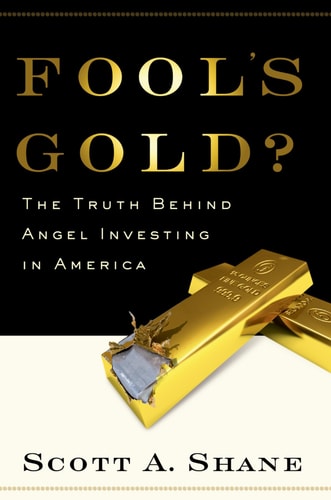
Fool's Gold?: The Truth Behind Angel Investing in America
0
0
As an Amazon Associate and affiliate partner, Menrva Books earns from qualifying purchases. Learn more
Author Description
The stereotype of the "angel investor" is a retired wealthy entrepreneur who sees potential, asks tough questions, takes a large stake, and in a few years makes a massive return in an IPO. This outsider fills the gap between the venture capitalist and the professional investor, swooping in with cash and expertise to bring dreams to fruition.Unfortunately, Shane observes, this figure bears no relationship to reality. In Fool's Gold, he draws on hard data from the Federal Reserve and other sources to paint the first reliable group portrait of the lionized angel investors. Surprisingly, he finds that they are fewer, contribute less, and involve themselves in fewer start-ups than the conventional wisdom suggests. Most angels typically still have their day jobs, make investments of $10,000 or less, and take little or no role in assisting entrepreneurs build their companies. Few of the companies they put money into arrive at IPOs, let alone massive returns. But angels can play a critical role, he writes, if the fantasy is abandoned by all concerned. Drawing on his rich store of data, Shane offers recommendations to entrepreneurs and angels alike for the most productive use of angel investing, and suggests how policymakers can encourage it. Particularly promising are angel groups, which pool knowledge and money for wiser and more productive investments. In groups, angels can rely on each other's expertise, share the labor of performing due diligence, and generally insure that their money is being placed--and used--wisely. Fostering the formation of such groups may be the single most important thing that government can do to boost angel investing.Massively researched and briskly written, Fools' Gold offers the first real resource on this misunderstood aspect of our entrepreneurial system.
Menrva's Summary
THE THESIS
This book investigates the discrepancy between the popular myth of the angel investor and the empirical reality of their actual contributions to the American entrepreneurial landscape. Scott Shane, an expert in entrepreneurial studies, utilizes comprehensive data sets from the Federal Reserve and other institutional sources to dismantle the stereotype of the wealthy, hands-on mentor. He argues that the current perception of angel investing is largely a fantasy that obscures the actual, more modest role these investors play in the economy, ultimately proposing a shift toward structured angel groups to improve investment outcomes.
THE SCOPE MAP
What You Will Find
- Statistical analysis of angel investor demographics and investment behaviors
- Comparative data between individual angel investors and venture capital firms
- Evaluation of the efficacy of angel groups versus solo investing
- Policy recommendations for government support of entrepreneurial funding
THE AUTHORITY PERSPECTIVE
Experts and financial analysts recognize this work as a vital, data-driven corrective to the romanticized narratives surrounding startup funding. Readers frequently note the clarity of the prose and the author's ability to translate complex economic data into actionable insights for both entrepreneurs and policymakers.
Page Count:
288
Publication Date:
2008-11-12
Publisher:
Oxford University Press
ISBN-10:
0195331087
ISBN-13:
9780195331080
Economics
Business
Finance
Small Business
Investing
Community Tags
Similar Books