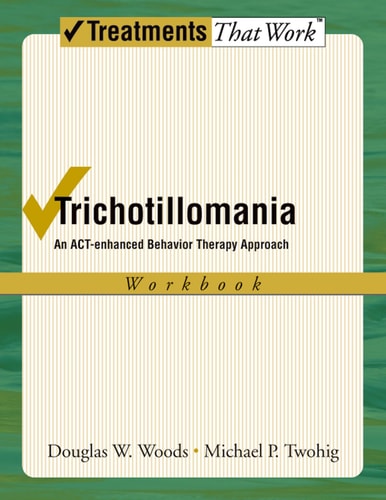
Trichotillomania: An ACT-enhanced Behavior Therapy Approach Workbook
0
0
As an Amazon Associate and affiliate partner, Menrva Books earns from qualifying purchases. Learn more
Author Description
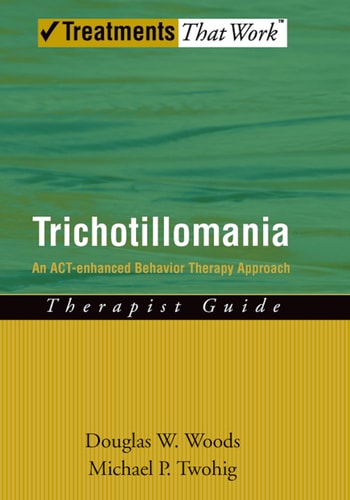
Trichotillomania (TTM) is a complex disorder that is difficult to treat as few effective therapeutic options exist. Behavior therapy has the greatest empirical support, but the number of mental health providers familiar with TTM and its treatment is quite small. This manual was written as a tool for therapists to become familiar with an effective treatment for TTM. The treatment approach described in this guide blends traditional behavior therapy elements of habit reversal training and stimulus control techniques with the more contemporary behavioral elements of Acceptance and Commitment Therapy (ACT).Unlike traditional interventions that aim to change type or frequency of pulling-related cognitions in the hopes of reducing urges to pull hair, this innovative program uses strategies to change the function of these cognitions. Clients are taught to see urges for what they really are and to accept their pulling-related thoughts, feelings, and urges without fighting against them. This is accomplished through discussions about the function of language and defusion exercises that show the client how to respond to thoughts about pulling less literally. Over the course of 10 weeks, clients learn to be aware of their pulling and warning signals, use self-management strategies for stopping and preventing pulling, stop fighting against their pulling-related urges and thoughts, and work toward increasing their quality of life. Self-monitoring and homework assignments keep clients motivated and engaged throughout.
Menrva's Summary
THE THESIS
This workbook investigates the efficacy of an integrated therapeutic approach combining habit reversal training with Acceptance and Commitment Therapy (ACT) to address the complex challenges of Trichotillomania. The authors, Michael P. Twohig and Douglas W. Woods, leverage their clinical expertise to provide a structured, evidence-based framework for mental health professionals. By shifting the focus from suppressing urges to changing the function of pulling-related cognitions, the manual offers a systematic methodology for symptom management and improved quality of life.
THE SCOPE MAP
What You Will Find
- A structured 10-week clinical intervention program for treating hair-pulling disorders.
- Integration of traditional habit reversal training and stimulus control techniques.
- Defusion exercises designed to alter the client's relationship with intrusive thoughts and urges.
- Clinical protocols for self-monitoring, homework assignments, and identifying warning signals.
THE AUTHORITY PERSPECTIVE
Experts recognize this manual as a foundational resource for clinicians seeking to implement evidence-based behavioral interventions for TTM. Readers frequently note the practical utility of the structured 10-week format in bridging the gap between clinical research and daily practice.
Page Count:
96
Publication Date:
2008-03-31
Publisher:
Oxford University Press
ISBN-10:
0195336054
ISBN-13:
9780195336054
Psychology
Self Help
Acceptance And Commitment Therapy
Medical
Behavioral Therapy
Mental Health
Community Tags
Similar Books