Mister Johnson
0
0
As an Amazon Associate and affiliate partner, Menrva Books earns from qualifying purchases. Learn more
Author Description
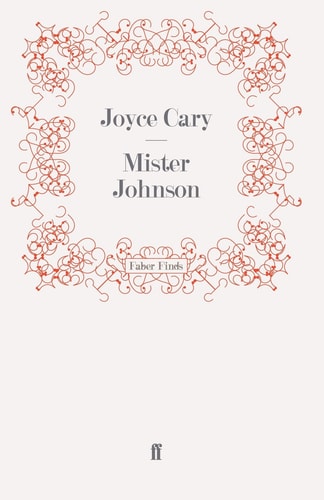
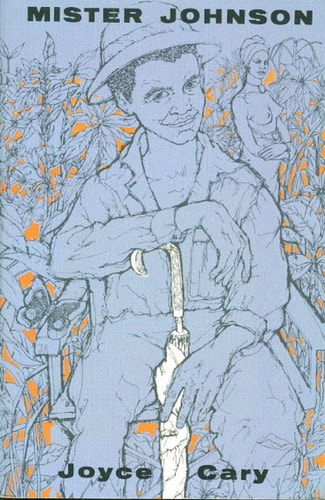
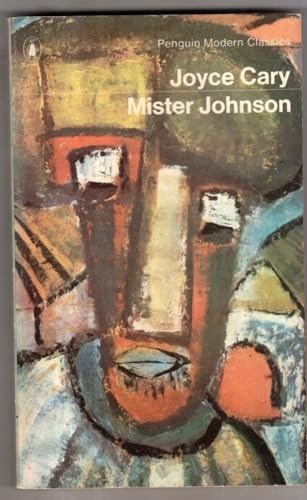
A temporary clerk, still on probation, Mr Johnson has been in Fada, Nigeria, for six months and is already much in debt. Undaunted, he entertains on the grandest scale, with drums and smuggled gin. Not only that, he intends to pay a small fortune for his wife... First published in 1939, Mister Johnson marked the end of Joyce Cary's series of Nigerian-based novels, derived from his own days in the Nigerian Colonial Service (1913-1919). William Boyd has described the novel as, 'A wonderfully evocative portrait of a bygone colonial life... Mr Johnson, in short, is a great literary creation; he can safely take his place beside any of the enduring characters world literature has presented us with: from Falstaff to Zeno, from Candide to Humbert Humbert.'
Menrva's Summary
THE PULSE
A young Nigerian clerk struggles to reconcile his exuberant, imaginative nature with the rigid and often indifferent structures of the British colonial administration in Fada. Mr. Johnson, a government clerk, navigates his precarious financial and social standing through impulsive generosity and a persistent, optimistic vision of his own importance. He faces opposition from the stern British colonial officer, Rudbeck, and the harsh realities of a colonial system that views his aspirations with suspicion or disdain. The narrative follows his attempts to secure status and marriage, often leading to escalating conflicts between his personal desires and the bureaucratic laws of the territory. The story is presented through a third-person perspective that captures the friction between local customs and colonial governance.
INSIDE THE PAGES
- Exploration of the clash between indigenous culture and colonial bureaucracy
- Character-driven narrative focusing on the protagonist's internal and external conflicts
- Vivid depiction of the Nigerian landscape and colonial administrative life
- Examination of the psychological impact of colonial rule on local populations
- Use of irony to highlight the absurdity of the protagonist's social ambitions
- Pacing that mirrors the protagonist's erratic and impulsive decision-making
- Thematic focus on the nature of identity and self-perception
- Stylistic emphasis on the contrast between the protagonist's idealism and the harsh reality of his environment
THE COLLECTIVE ECHO
Readers and critics often analyze this work as a complex examination of the colonial experience in early 20th-century Nigeria. Discussion frequently centers on the protagonist's characterization, with many debating whether he represents a tragic figure or a caricature of colonial assimilation. The prose is noted for its rhythmic, energetic quality that reflects the protagonist's own personality. Critics highlight the author's background in the colonial service as a primary influence on the authenticity of the setting and the administrative details. Readers often find the ending particularly provocative, as it forces a confrontation with the brutal consequences of the colonial legal system.
Page Count:
256
Publication Date:
1988-01-01
Publisher:
Penguin Modern Classics / Penguin Books Ltd
ISBN-10:
0140017267
ISBN-13:
9780140017267
Historical Fiction
Fiction
Genre Fiction
Colonialism
African
Literary
Classic fiction
Postcolonial