Australian Painting: 1788-1990
0
0
As an Amazon Associate and affiliate partner, Menrva Books earns from qualifying purchases. Learn more
Author Description
This new paperback version of the 1990 third edition includes a detailed account of the great changes which altered the art scene during the 1960s, such as abstract expressionism, Pop Art and colour painting. Peter Fuller, writing in the Independent - ` As a study of its chosen subject, the book is a tour de force, unlikely ever to be superseded. ' As in the first and second editions, the relationship between new influences from abroad and the changing political, social and artistic environments in Australia remains the central theme. Painting as an art form underwent a crisis throughout the world in the 1960s. Australian artists responded in different ways. Terry Smith examines the response during the 1970s of the older generation typified by Arthur Boyd and Fred Williams, and the colour painters who were prominent during the 1960s. He looks at the challenge of Conceptual Art and the impact of dissenting politics, on painters. This disruption was matched, paradoxically, by growth in government support, a booming art market, and an expanding educational system. The advent of feminism in the late 1960s in Australia ensured a significant representation of women painters in the following decades. The challenge to women artists working within a patriarchal society and the development of major young painters such as Susan Norrie and Jenny Watson is examined. The vibrancy and symbolic imagery of recent Aboriginal painting has created enormous interest and excitement both locally and internationally. The role of painting in traditional Aboriginal communities as well as the remarkable emergence of art by Aborigines living in the major cities, is discussed in detail. During the 1980s postmodern theories were prominent in both painting and art writing. Australian artists such as Imants Tillers and Juan Davila evolved a unique form of Post-Conceptual painting in which questions of meaning and identity were explored in new ways. The final chapter concludes with a survey of the
Menrva's Summary
THE THESIS
This work investigates the evolution of Australian painting from the colonial period through the late 20th century, questioning how local artistic identity interacts with global movements. Bernard S. Smith, a prominent art historian, utilizes a comprehensive historical framework to analyze how political, social, and environmental shifts influenced Australian painters. By examining the tension between international trends and domestic cultural development, the text provides a rigorous account of the nation's visual arts trajectory.
THE SCOPE MAP
What You Will Find
- A chronological analysis of Australian painting from 1788 to 1990.
- Detailed examinations of movements including Abstract Expressionism, Pop Art, and Post-Conceptualism.
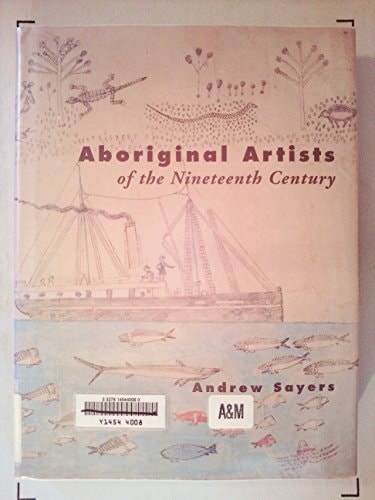
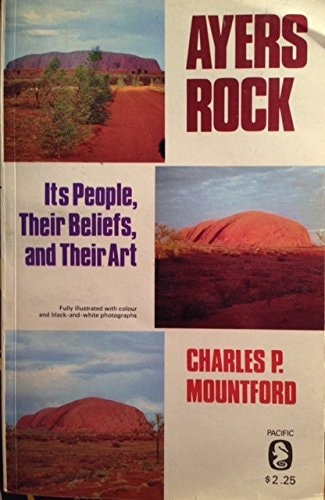
- Critical analysis of the impact of feminism and Aboriginal art on the national art scene.
- Discussion of the influence of government policy, art markets, and educational systems on artistic production.
THE AUTHORITY PERSPECTIVE
Critics and scholars widely regard this work as a definitive, foundational text for understanding the history of Australian art. Readers frequently note the academic depth and thoroughness of the research, which remains a standard reference for students and historians alike.
Page Count:
496
Publication Date:
1992-07-16
Publisher:
Oxford University Press
ISBN-10:
0195502701
ISBN-13:
9780195502701
Non-Fiction
Art History
Painting
Australian History
Community Tags
Other Editions(2)
Similar Books

Reader Comments
Share Your Thoughts
No comments yet. Be the first to share your thoughts!