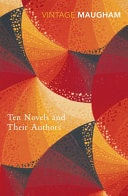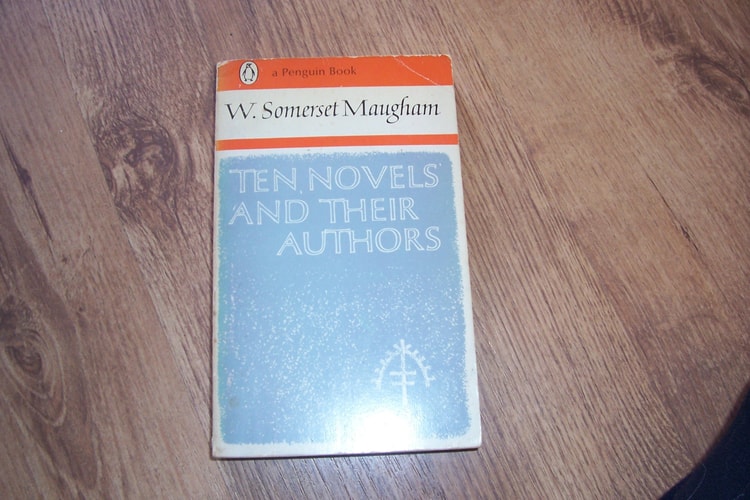
Ten Novels and Their Authors
0
0
As an Amazon Associate and affiliate partner, Menrva Books earns from qualifying purchases. Learn more
Author Description
In this classic work of literary criticism, W. Somerset Maugham turns his critical eye to ten of the greatest novels in the English and European traditions. With the insight of a master storyteller, Maugham examines the lives and works of authors such as Jane Austen, Charles Dickens, Leo Tolstoy, and Fyodor Dostoevsky, exploring the complex relationship between an author's personal character and their literary output.
Menrva's Summary
THE THESIS
What are the defining characteristics of the great novels of the nineteenth century, and how do the personal lives of their authors influence the structure and success of these works? W. Somerset Maugham, a celebrated novelist and playwright, applies his own craft-based perspective to analyze ten canonical works of fiction. He examines the intersection of the authors' private struggles, moral failings, and artistic intentions, arguing that the quality of a novel is inextricably linked to the character of the person who wrote it.
THE SCOPE MAP
What You Will Find
- Critical analysis of ten specific novels including works by Fielding, Austen, Stendhal, Balzac, Dickens, Flaubert, Melville, Dostoevsky, Tolstoy, and Brontë.
- Biographical sketches focusing on the domestic and social lives of the selected authors.
- A comparative framework evaluating the technical execution of plot, characterization, and moral philosophy.
Scope Limits
- The analysis is restricted to nineteenth-century European and American literature.
- The text does not provide a comprehensive history of the novel, focusing instead on Maugham's personal selection of favorites.
THE AUTHORITY PERSPECTIVE
Critics often note that Maugham’s approach is subjective and conversational rather than strictly academic, reflecting his own preferences as a writer. Scholars frequently highlight this work as a unique window into how a master of fiction evaluates the technical and moral foundations of his predecessors.
Page Count:
304
Publication Date:
1969-01-01
Publisher:
Penguin Books Ltd
ISBN-10:
0140029052
ISBN-13:
9780140029055
Biography
Non-Fiction
Literary Criticism
Classic Literature
Essays