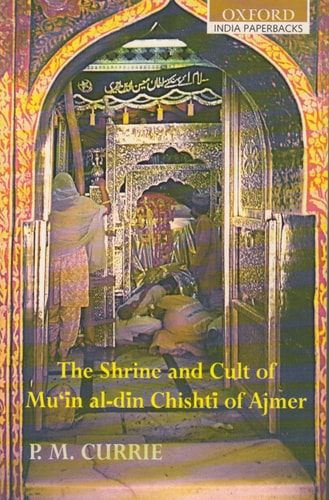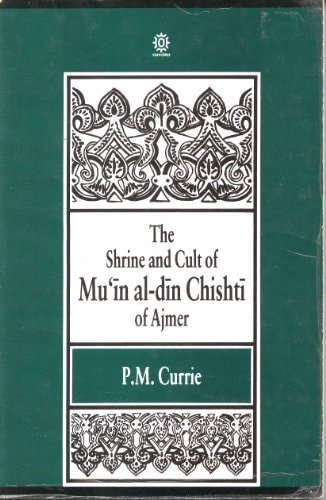
The Shrine and Cult of Mu'in al-Din Chishti of Ajmer
0
0
As an Amazon Associate and affiliate partner, Menrva Books earns from qualifying purchases. Learn more
Author Description
One of the most revered mystics of the Indian subcontinent was the fourteenth-century Shaykh Mu'in al-Din Chishti, whose tomb in Rajasthan is a center of pilgrimage to the present day. This study defines the role of the Sufi mystics in Islam, and places Mu'in al-Din in a historical context, attempting to disentangle the Mu'in of history from the legendary creation of later hagiographical chronicles. The author then considers why the legend arose at all, and took the form that it assumed. Later chapters describe the history of the shrine, and the customs and hierarchy of attendants that have grown up around it in the last 500 years.
Menrva's Summary
THE THESIS
This study investigates the historical reality of the Sufi mystic Mu'in al-Din Chishti versus the hagiographical legends that have shaped his veneration over centuries. P. M. Currie utilizes a combination of historical analysis and sociological inquiry to examine the evolution of the Ajmer shrine. By contrasting primary historical records with later accounts, the author constructs a framework for understanding how religious figures are transformed into symbols of pilgrimage and cultural identity. The work serves as a critical examination of the intersection between historical fact and religious myth-making in the Indian subcontinent.
THE SCOPE MAP
What You Will Find
- Historical analysis of the fourteenth-century Sufi movement in India.
- A critical comparison between historical documentation and hagiographical narratives.
- Examination of the administrative hierarchy and customs of the Ajmer shrine.
- A study of the socio-religious factors that contributed to the growth of the cult surrounding Mu'in al-Din Chishti.
THE AUTHORITY PERSPECTIVE
Scholars and historians frequently cite this work as a foundational text for understanding the development of Sufi shrines in Rajasthan. Readers often note the academic rigor of the prose and the author's meticulous approach to disentangling legend from historical record.
Page Count:
236
Publication Date:
1993-05-27
Publisher:
Oxford University Press
ISBN-10:
0195631447
ISBN-13:
9780195631449
Religion
History
Biography
Sufism
Islam
Asia religion
India religion