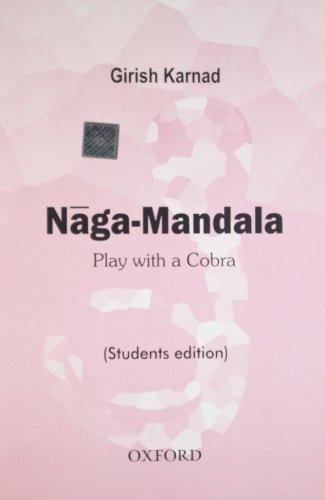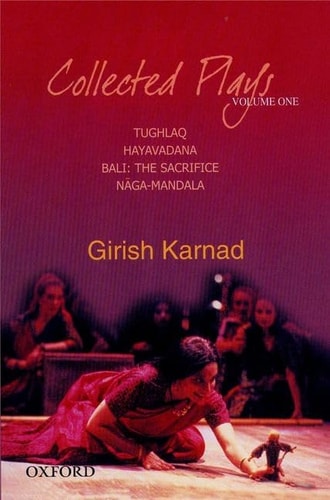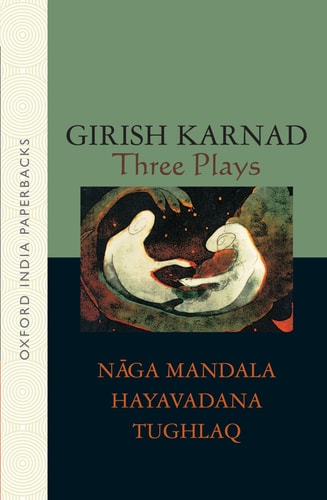
Three Plays: Naga-Mandala, Hayavadana, Tughlaq
0
0
As an Amazon Associate and affiliate partner, Menrva Books earns from qualifying purchases. Learn more
Author Description
These plays represent three phases in the career of the dramatist Girish Karnad, all three are classics of the Indian stage. The first play, Tughlaq, is a historical play in the manner of nineteenth-century Parsee theater. The second, Hayavadana was one of the first modern Indian plays to employ traditional theatrical techniques. In Naga-Mandala, the third play, Karnad turns to oral tales, usually narrated by women. This selected work of one of India's best known playwrights should attract the attention of students and scholars of comparative literature, or any reader interested in South Asian literature.
Menrva's Summary
THE PULSE
These three plays explore the intersection of historical power, human identity, and the transformative nature of oral storytelling. Each play functions as a distinct exploration of the human condition, utilizing different narrative frameworks to examine the complexities of Indian society. Karnad employs historical allegory, mythological inquiry, and folk tradition to challenge the protagonist's sense of self and their relationship to the established order. The works operate within the constraints of the stage, utilizing dialogue and symbolic action to navigate themes of political instability, physical incompleteness, and the fluidity of truth.
INSIDE THE PAGES
- Utilization of nineteenth-century Parsee theater conventions in Tughlaq
- Integration of traditional Indian theatrical techniques in Hayavadana
- Adaptation of oral tales and folklore narratives in Naga-Mandala
- Exploration of political power and the corruption of authority
- Examination of identity through the lens of physical and psychological transformation
- Use of non-linear storytelling and meta-theatrical elements
- Focus on the role of women as narrators and keepers of oral tradition
- Stylistic shifts reflecting different phases of the author's career
THE COLLECTIVE ECHO
Discussion often centers on Karnad's ability to synthesize classical Indian motifs with modern dramatic structures. Readers frequently highlight the intellectual depth of Tughlaq as a political allegory, while Hayavadana is praised for its innovative use of masks and traditional performance styles. Critics often note that Naga-Mandala serves as a significant contribution to the preservation of oral storytelling traditions within a written medium. The collection is widely regarded as a foundational text for those interested in the evolution of South Asian theater and the versatility of the playwright's craft.
Page Count:
228
Publication Date:
1996-02-29
Publisher:
Oxford University Press
ISBN-10:
0195637658
ISBN-13:
9780195637656
Drama
Folklore
Plays
Historical
Comparative
Dramatic works
Indian
Community Tags
Similar Books