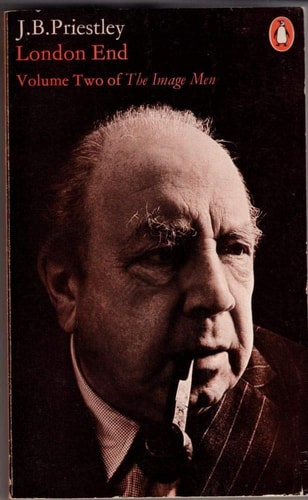
London End
0
0
As an Amazon Associate and affiliate partner, Menrva Books earns from qualifying purchases. Learn more
Author Description
Page edges tanned. Orders received by 3pm Sent from the UK that weekday.
Menrva's Summary
THE PULSE
The narrative follows the final movements of the Dunning family as they navigate the shifting social and economic landscape of post-war England. The protagonists attempt to reconcile their traditional values with the encroaching modernization of the 1960s, facing opposition from both institutional bureaucracy and the changing cultural tides of London. The story utilizes a third-person perspective to observe the decline of a specific social class, maintaining a focus on the friction between personal legacy and societal evolution. The world is defined by the physical decay of urban spaces and the logical constraints of a society struggling to redefine its identity.
INSIDE THE PAGES
- Satirical commentary on British social hierarchies
- Detailed descriptions of post-war London architecture
- Character-driven exploration of generational conflict
- Focus on the decline of the landed gentry
- Use of irony to highlight political shifts
- Episodic structure reflecting the passage of time
- Emphasis on dialogue as a tool for character revelation
- Atmospheric depiction of urban transition
THE COLLECTIVE ECHO
Readers and critics often note the cynical yet observant tone that characterizes this final installment of the series. Discussion frequently centers on the author's ability to capture the specific malaise of the era through the lens of a single family's dissolution. Many highlight the balance between the character-focused narrative and the broader commentary on the changing face of the city. The pacing is described as deliberate, allowing for a thorough examination of the themes of loss and adaptation. This work is frequently cited by those interested in the social history of mid-century Britain as a poignant reflection on the end of an era.
Page Count:
368
Publication Date:
1969-01-01
Publisher:
Penguin
ISBN-10:
014003014X
ISBN-13:
9780140030143
Fiction
Satire
Post-War
classic
British literature