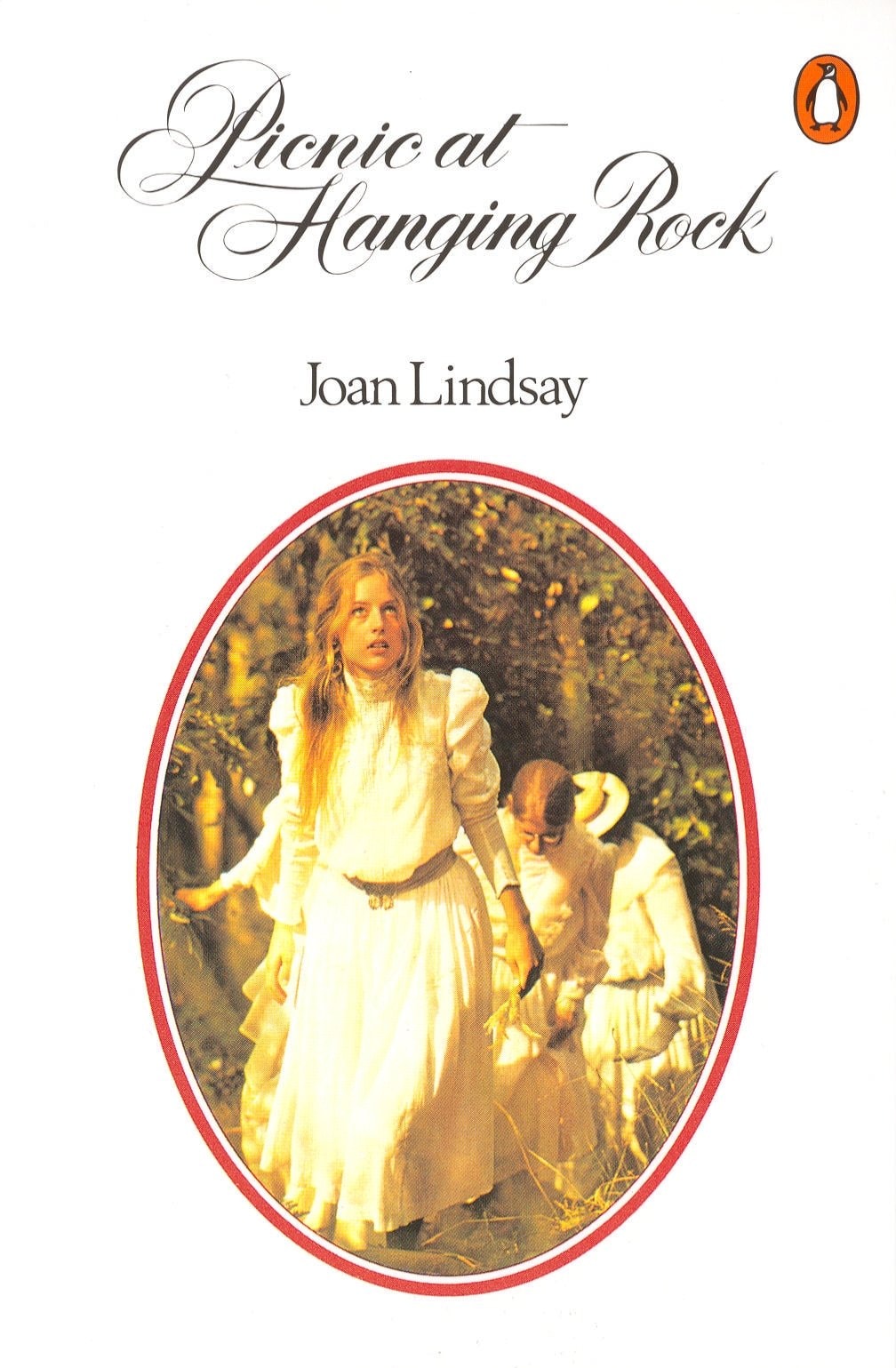
Picnic at Hanging Rock
0
0
As an Amazon Associate and affiliate partner, Menrva Books earns from qualifying purchases. Learn more
Author Description
A 50th-anniversary edition of the haunting novel about the disappearance of three boarding school girls that inspired the acclaimed film--featuring a foreword by Maile Meloy, author of Do Not Become Alarmed It was a cloudless summer day in the year 1900. Everyone at Appleyard College for Young Ladies agreed it was just right for a picnic at Hanging Rock. After lunch, a group of three girls climbed into the blaze of the afternoon sun, pressing on through the scrub into the shadows of the secluded volcanic outcropping. Farther, higher, until at last they disappeared. They never returned. Mysterious and subtly erotic, Picnic at Hanging Rock inspired the iconic 1975 film of the same name by Peter Weir. A beguiling landmark of Australian literature, it stands with Shirley Jackson's We Have Always Lived in the Castle, Daphne du Maurier's Rebecca, and Jeffrey Eugenides' The Virgin Suicides as a masterpiece of intrigue
Menrva's Summary
THE PULSE
On a sweltering Valentine's Day in 1900, three students and a teacher vanish without a trace during a school excursion to a remote volcanic formation. The narrative follows the aftermath of this disappearance as the rigid social structure of Appleyard College begins to fracture under the weight of the unknown. Through a blend of atmospheric prose and shifting perspectives, the story examines the psychological toll on the remaining students and staff. The text utilizes a detached, observational framework to heighten the sense of unease as the characters confront the limitations of logic and the indifference of the natural world.
INSIDE THE PAGES
- Non-linear temporal shifts that mirror the disorientation of the characters
- Heavy reliance on sensory imagery to depict the oppressive Australian landscape
- Exploration of Victorian-era social repression and class boundaries
- Use of epistolary elements including diary entries and newspaper clippings
- Ambiguous narrative resolution that avoids traditional mystery tropes
- Focus on the contrast between civilized order and primal wilderness
- Subtle critique of colonial educational institutions
- Recurring motifs of time, heat, and geological permanence
THE COLLECTIVE ECHO
Discussion often centers on the ambiguity of the narrative and the author's refusal to provide a definitive explanation for the disappearance. Readers frequently highlight the prose style, which balances precise period detail with a dreamlike, unsettling quality that persists long after the final page. Critics often compare the work to other gothic explorations of isolation and the fragility of social constructs. The book is widely recognized for its ability to generate tension through atmosphere rather than overt action, making it a frequent subject of analysis regarding its themes of nature versus civilization.
Page Count:
192
Publication Date:
1977-04-28
Publisher:
Penguin Books
ISBN-10:
0140031499
ISBN-13:
9780140031492
Mystery
Historical Fiction
Fiction
Gothic
Literature & Fiction
Australian
Psychological
Community Tags
Similar Books