Trees of India
0
0
As an Amazon Associate and affiliate partner, Menrva Books earns from qualifying purchases. Learn more
Author Description
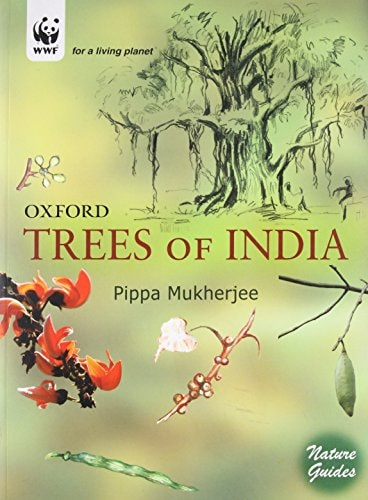
In Trees of India, we can see forty-three tree species, most of which are commonly in India. Detailed descriptions of each, complemented by color photographs of the tree and its leaves, fruits, and flowers, reveal the unique characteristics of a wide variety of trees. Trees of India includes decriptions and well-known trees like the banyan, the gulmohur, the neem, and the coconut, as well as of lesser-known trees like the baobab and the true kapok tree.The descriptions are alphabetically arranged according to the common names of the trees and incorporate information on their scientific and local names, the places in which specific trees grow, and the characteristics of the leaves, flowers, and fruits of different trees. Significantly, Mukherjee includes information on the uses of each tree, including its wood, though she issues a strong warning against tree felling in the Introduction. In addition to the informative Introduction, the book carries a guide to identifying trees, a glossary, and an index of botanical names. Though especially designed with our younger readers in mind, the book will appeal equally to older relatives including parents and teachers, as well as nature lovers.
Menrva's Summary
THE THESIS
This book investigates the diverse botanical landscape of India by cataloging forty-three distinct tree species to provide a comprehensive identification guide. Pippa Mukherjee utilizes her expertise to bridge the gap between scientific classification and accessible nature study. By combining detailed physical descriptions with practical information on habitat and utility, the author presents a structured framework for understanding the ecological significance of common and rare Indian flora.
THE SCOPE MAP
What You Will Find
- Detailed profiles of forty-three tree species including the banyan, gulmohur, neem, and baobab.
- Visual identification aids featuring color photographs of leaves, fruits, and flowers.
- Botanical data including scientific names, local nomenclature, and specific growth habitats.
- Practical information regarding the traditional and commercial uses of wood and plant parts.
THE AUTHORITY PERSPECTIVE
Experts and educators recognize this text as a highly accessible entry point for students and nature enthusiasts interested in regional botany. Readers frequently note the clarity of the identification guide and the value of the included glossary for non-specialist audiences.
Page Count:
99
Publication Date:
2008-01-01
Publisher:
Oxford University Press
ISBN-10:
0195687981
ISBN-13:
9780195687989
Nature
Science
Botany
Reference
India
Trees
Community Tags
Similar Books