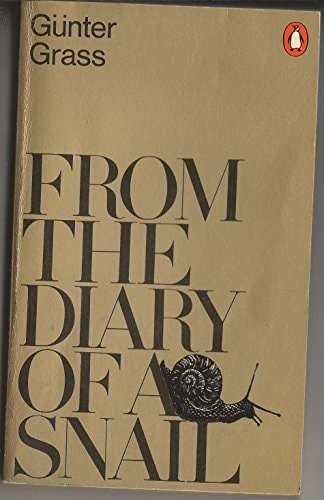
From the Diary of a Snail
0
0
As an Amazon Associate and affiliate partner, Menrva Books earns from qualifying purchases. Learn more
Author Description
Foxing to the tanned page edges. Orders received by 3pm Sent from the UK that weekday.
Menrva's Summary
THE PULSE
A writer attempts to reconcile the mundane pace of his personal life with the frantic, often destructive speed of political activism during the 1969 West German federal election. Grass employs a non-linear, fragmented narrative structure to mirror the protagonist's internal conflict. The narrator, a stand-in for the author, balances his role as a campaigner for the Social Democratic Party with his responsibilities as a father and teacher. He finds himself caught between the slow, deliberate progress of democratic reform and the impatient, radical demands of his students. The narrative framework functions as a diary, blending autobiographical reflection with historical commentary on the nature of political change.
INSIDE THE PAGES
- Use of the snail as a central metaphor for slow, incremental progress
- Integration of historical events from the 1969 West German election
- Meta-fictional commentary on the act of writing and storytelling
- Examination of the generational divide between postwar adults and radicalized youth
- Inclusion of personal anecdotes regarding family life and teaching
- Philosophical inquiry into the efficacy of political activism
- Stylistic shifts between reportage and intimate reflection
- Exploration of the tension between idealism and pragmatic governance
THE COLLECTIVE ECHO
Discussion often centers on the effectiveness of the snail metaphor as a symbol for political patience in a volatile era. Readers frequently highlight the contrast between the narrator's domestic life and his public political engagements, noting how Grass manages to keep the narrative grounded despite its intellectual density. Critics often point to the book's self-reflexive nature, as the author constantly questions his own role as a chronicler of history. The pacing is described as deliberate and contemplative, reflecting the very theme of slow progress that the title suggests. Many readers find the work to be a significant examination of the complexities inherent in democratic participation and the limitations of political idealism.
Page Count:
272
Publication Date:
1978-01-01
Publisher:
Penguin Books
ISBN-10:
0140041273
ISBN-13:
9780140041279
Fiction
Satire
Political fiction
German
Postwar Fiction
Community Tags
Similar Books