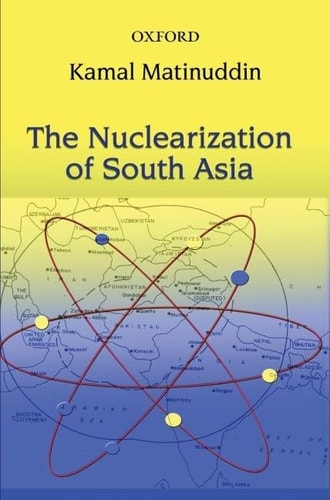
The Nuclearization of South Asia
0
0
As an Amazon Associate and affiliate partner, Menrva Books earns from qualifying purchases. Learn more
Author Description
Tracing the nuclear and missile programs of India and Pakistan from their inception, this book places an important focus on their present state. It highlights security models, shedding light on the role of outside powers in promoting or retarding nuclear weapon status. It also discusses theories of nuclear deterrence and suggests that the likelihood of their failure is strongest in South Asia.
Menrva's Summary
THE THESIS
This book investigates the historical development and strategic implications of nuclear and missile proliferation between India and Pakistan. Kamal Matinuddin, a retired general and expert in South Asian security, utilizes historical records and geopolitical analysis to examine the regional arms race. The author argues that the specific security environment of South Asia creates a unique and volatile context where traditional deterrence theories may prove insufficient or prone to failure.
THE SCOPE MAP
What You Will Find
- Historical analysis of the inception and evolution of nuclear and missile programs in India and Pakistan.
- Examination of regional security models and the influence of external global powers.
- Theoretical application of nuclear deterrence frameworks to the South Asian geopolitical landscape.
- Assessment of the risks and potential failure points of nuclear stability in the region.
THE AUTHORITY PERSPECTIVE
Experts recognize this work as a critical examination of regional nuclear dynamics during a period of heightened tension. Readers frequently note the academic density of the prose and the author's reliance on his background in military strategy to provide a realistic assessment of the nuclear standoff.
Page Count:
374
Publication Date:
2002-04-04
Publisher:
Oxford University Press
ISBN-10:
0195794168
ISBN-13:
9780195794168
History
Military Strategy
Arms Control
Government - Asia
International relations
Nuclear weapons
National security
Community Tags
Similar Books