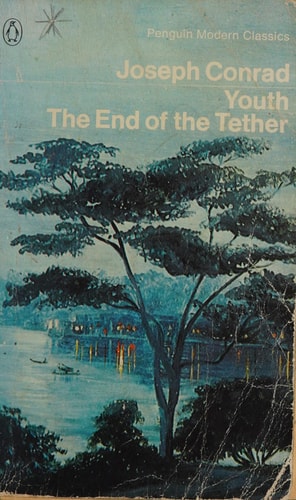
Youth / The End of the Tether
0
0
As an Amazon Associate and affiliate partner, Menrva Books earns from qualifying purchases. Learn more
Author Description
Two novellas by Joseph Conrad. Both the stories in this book sprang from Conrad's own experience sailing in the Far East with the Merchant Navy, 'before I ever thought of putting pen to paper.' But they are far from being mere reminiscences, expressing as they do so intensely the two sides of Conrad's personality. In the first story, Youth, Conrad captures a storm-wracked voyage to Bangkok all the young man's exhilaration in the face of danger and the unknown. The second, and longer story is in bold contrast to the optimism of 'Youth". Captain Whalley, an upright old sea-captain, compromises with his own rectitude without understanding the ubiquity of the evil that surrounds him. As his ship sails through the islands of the South Pacific, his own falsehoods and the ambitions and obsessions of his crew combine to bring on disaster.
Menrva's Summary
THE PULSE
These two novellas explore the stark contrast between the boundless optimism of youth and the moral erosion that can accompany the decline of age. In 'Youth,' a young sailor encounters the perils of the sea with a sense of wonder and invincibility, while 'The End of the Tether' follows an aging captain whose integrity is slowly compromised by the harsh realities of his profession. Conrad employs a reflective, often retrospective narrative framework that examines the psychological weight of experience. The protagonists navigate the physical constraints of the Merchant Navy, where the sea acts as both a testing ground for character and a catalyst for inevitable change.
INSIDE THE PAGES
- First-person retrospective narration in 'Youth'
- Third-person limited perspective in 'The End of the Tether'
- Vivid descriptions of maritime environments and weather patterns
- Exploration of the transition from idealism to disillusionment
- Focus on the internal moral conflicts of professional sailors
- Atmospheric depiction of the Far East and South Pacific regions
- Contrast between youthful vigor and the physical frailty of old age
- Examination of the influence of greed and obsession on human conduct
THE COLLECTIVE ECHO
Readers and critics frequently note the stylistic contrast between the two stories, highlighting how Conrad balances the romanticism of early life with the somber reality of later years. Discussion often centers on the author's ability to render the sea as a character in its own right, shaping the destinies of those who traverse it. Many observers point to the psychological depth of Captain Whalley as a significant study in the erosion of personal ethics under pressure. The prose is often described as dense and evocative, requiring careful attention to capture the nuances of the characters' internal states. This collection is widely regarded as a significant entry point for those interested in Conrad's maritime themes and his mastery of the novella form.
Page Count:
172
Publication Date:
1976-03-30
Publisher:
Penguin Books
ISBN-10:
0140040552
ISBN-13:
9780140040555
Adventure
classic
Criticism history
Maritime
Historical
Novella