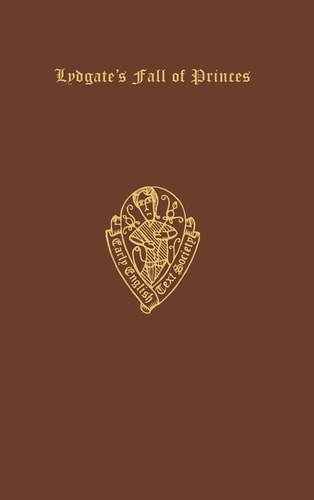
Lydgate's Fall of Princes: Vol. II
0
0
As an Amazon Associate and affiliate partner, Menrva Books earns from qualifying purchases. Learn more
Author Description
No description available.
Menrva's Summary
THE PULSE
The central conflict involves the inevitable moral and political decline of historical rulers as they succumb to the whims of Fortune. John Lydgate, translating and expanding upon Boccaccio's De Casibus Virorum Illustrium, presents a series of cautionary tales regarding the transience of power. The protagonist is not a single individual but the collective figure of the fallen prince, whose hubris and lack of virtue lead to catastrophic ruin. The narrative framework is didactic and episodic, utilizing a formal, courtly style to instruct the reader on the dangers of worldly ambition. The world is governed by the rigid, cyclical logic of the Wheel of Fortune, where every rise is met with an eventual, often violent, descent.
INSIDE THE PAGES
- Extensive use of rhyme royal stanza form
- Didactic moralizing on the nature of kingship
- Integration of classical mythology and historical anecdote
- Formal, elevated Middle English verse structure
- Allegorical representations of Fortune and Fate
- Focus on the vanity of earthly possessions
- Commentary on the responsibilities of leadership
- Cyclical narrative structure reflecting the rise and fall of empires
THE COLLECTIVE ECHO
Discussion often centers on Lydgate's role in the development of the English poetic tradition and his adherence to the Chaucerian style. Readers frequently highlight the sheer scale of the work and the repetitive nature of the moral lessons presented in each biographical sketch. Critics examine the text as a primary source for understanding medieval political philosophy and the cultural reception of Boccaccio in England. The pacing is deliberate and measured, prioritizing thematic consistency over rapid plot progression. Scholars value this edition for its meticulous preservation of the original manuscript language and its contribution to the Early English Text Society's mission.
Page Count:
356
Publication Date:
1924-01-01
Publisher:
Early English Text Society
ISBN-10:
019722573X
ISBN-13:
9780197225738
History
Classics
Poetry
Medieval
Literature