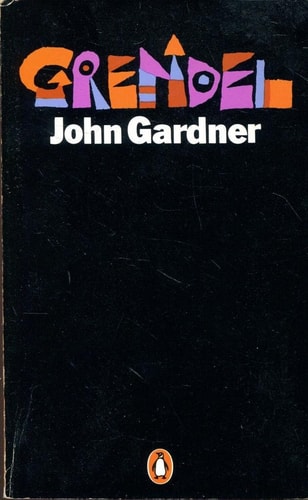
Grendel
0
0
As an Amazon Associate and affiliate partner, Menrva Books earns from qualifying purchases. Learn more
Author Description
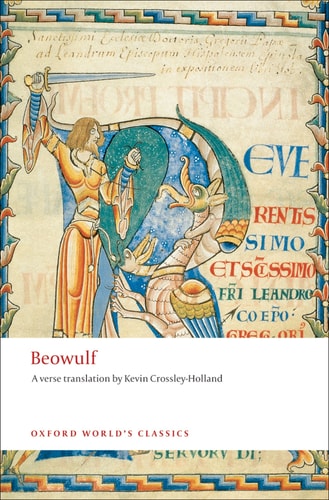
The first and most terrifying monster in English literature, from the great early epic Beowulf, tells his own side of the story in this frequently banned book. This classic and much lauded retelling of Beowulf follows the monster Grendel as he learns about humans and fights the war at the center of the Anglo Saxon classic epic. This is the book William Gass called "one of the finest of our contemporary fictions."
Menrva's Summary
THE PULSE
A lonely, existential monster struggles to find meaning in a world that defines him only by his capacity for violence. Narrated from the perspective of Grendel, the protagonist observes the human tribes of the Danes, attempting to understand their complex social structures, religious beliefs, and inherent cruelty. His objective is to reconcile his own intellectual curiosity with the primal, destructive nature imposed upon him by his role as a monster. The narrative framework is a first-person, stream-of-consciousness account that shifts between cynical observation and existential dread, constrained by the inevitable trajectory of the Beowulf myth.
INSIDE THE PAGES
- First-person perspective from the antagonist
- Existentialist philosophical inquiry
- Deconstruction of heroic archetypes
- Non-linear reflection on past events
- Satirical portrayal of human civilization
- Exploration of the role of the poet and myth-maker
- Contrast between primal nature and human artifice
- Stylistic shifts between prose and poetic verse
THE COLLECTIVE ECHO
Discussion often centers on the book's success in humanizing a traditional villain through the lens of existential philosophy. Readers frequently highlight the stark contrast between Grendel's internal intellectual life and the brutal, external reality of his existence. Critics often point to the author's use of language and allusion as a means to challenge the moral certainty found in the original epic. The pacing is noted for being contemplative rather than action-oriented, focusing heavily on the protagonist's psychological development. Many readers find the work effective in forcing a re-evaluation of the binary nature of good and evil within classic literature.
Page Count:
176
Publication Date:
1980-01-01
Publisher:
Penguin Books
ISBN-10:
0140058206
ISBN-13:
9780140058208
Literary Fiction
Fantasy
Hard Sci-fi
Epic
Philosophical
classic
Mythological Retelling