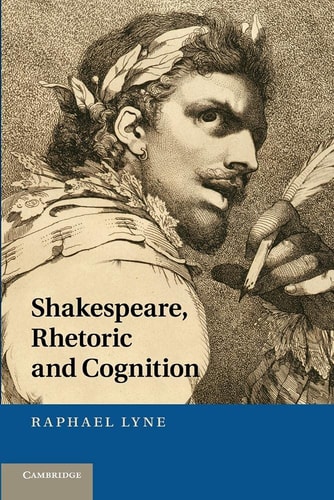
Shakespeare, Rhetoric and Cognition
0
0
As an Amazon Associate and affiliate partner, Menrva Books earns from qualifying purchases. Learn more
Author Description
Product Description Raphael Lyne addresses a crucial Shakespearean question: why do characters in the grip of emotional crises deliver such extraordinarily beautiful and ambitious speeches? How do they manage to be so inventive when they are perplexed? Their dense, complex, articulate speeches at intensely dramatic moments are often seen as psychological - they uncover and investigate inwardness, character and motivation - and as rhetorical - they involve heightened language, deploying recognizable techniques. Focusing on A Midsummer Night's Dream, Othello, Cymbeline and the Sonnets, Lyne explores both the psychological and rhetorical elements of Shakespeare's language. In the light of cognitive linguistics and cognitive literary theory he shows how Renaissance rhetoric could be considered a kind of cognitive science, an attempt to map out the patterns of thinking. His study reveals how Shakespeare's metaphors and similes work to think, interpret and resolve, and how their struggle to do so results in extraordinary poetry. Review 'Sections of this book work very well as thoughtful close readings of the way Shakespeare uses language to present his characters' thought in action and Lyne's central argument is surely right.' Peter Mack, The Review of English Studies Book Description Shakespeare's language can be analysed with technical vocabulary, but it can also seem spontaneous, strange and perplexing. This book provides readers with new ways of approaching Shakespeare's language, in particular the richly metaphorical speeches that occur at intensely dramatic moments in works including A Midsummer Night's Dream, Othello and Cymbeline. About the Author Raphael Lyne is a Senior Lecturer at the University of Cambridge and a Fellow of Murray Edwards College. He is the author of Ovid's Changing Worlds: English Metamorphoses, 1567-1632 (2001) and Shakespeare's Late Work (2007), as well as the editor (with
Page Count:
276
Publication Date:
2011-09-07
Publisher:
Cambridge University Press
ISBN-10:
0511997051
ISBN-13:
9780511997051
Community Tags
Other Editions(4)

Reader Comments
Share Your Thoughts
No comments yet. Be the first to share your thoughts!