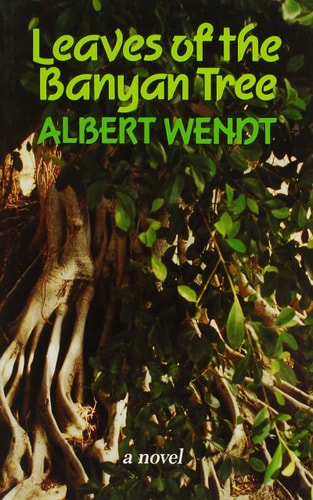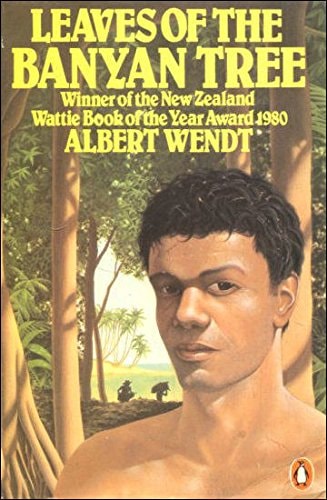
Leaves of the Banyan Tree
0
0
As an Amazon Associate and affiliate partner, Menrva Books earns from qualifying purchases. Learn more
Author Description
An epic spanning three generations, Leaves of the Banyan Tree tells the story of a family and community in Western Samoa, exploring on a grand scale such universal themes as greed, corruption, colonialism, exploitation, and revenge. Winner of the 1980 New Zealand Wattie Book of the Year Award, it is considered a classic work of Pacific literature.
Menrva's Summary
THE PULSE
The narrative follows the rise and fall of the Tauilopepe family in Western Samoa, tracing the destructive impact of greed and colonial influence across three generations. The protagonist, Tauilopepe, seeks to establish a legacy of wealth and power, but his ambition creates a widening rift between his traditional values and the encroaching modern world. His actions force his descendants to navigate the consequences of his exploitation and the shifting social structures of their community. The story utilizes a multi-generational perspective to examine the tension between indigenous customs and foreign economic pressures.
INSIDE THE PAGES
- Multi-generational narrative structure
- Exploration of colonial and post-colonial power dynamics
- Detailed depiction of Samoan social hierarchies
- Focus on the psychological toll of unchecked ambition
- Integration of traditional cultural motifs and oral storytelling rhythms
- Examination of the conflict between communal obligations and individual greed
- Atmospheric rendering of the Western Samoan landscape
- Character-driven progression through decades of social change
THE COLLECTIVE ECHO
Readers and critics frequently identify this work as a foundational text in Pacific literature due to its expansive scope and depth. Discussion often centers on the author's ability to balance the intimate details of family life with the broader political shifts occurring in Western Samoa. Many observers highlight the stark portrayal of corruption and the erosion of traditional values as the most compelling elements of the narrative. The pacing is noted for its deliberate, epic quality, which allows for significant character development across the three-generation span. This book is widely regarded as a significant contribution to the study of post-colonial identity and the human cost of rapid modernization.
Page Count:
432
Publication Date:
1981-01-01
Publisher:
Penguin Books
ISBN-10:
0140054731
ISBN-13:
9780140054736
Fiction
Literary Fiction
Contemporary
Family Drama
Saga
Post-Colonial