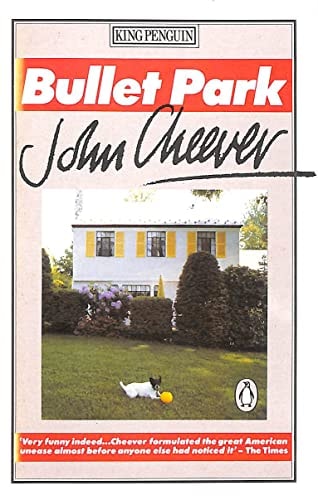
Bullet Park
0
0
As an Amazon Associate and affiliate partner, Menrva Books earns from qualifying purchases. Learn more
Author Description
Welcome to Bullet Park, a township in which even the most buttoned-down gentry sometimes manage to terrify themselves simply by looking in the mirror. In these exemplary environs John Cheever traces the fateful intersection of two men: Eliot Nailles, a nice fellow who loves his wife and son to blissful distraction, and Paul Hammer, a bastard named after a common household tool, who, after half a lifetime of drifting, settles down in Bullet Park with one objective—to murder Nailles's son. Here is the lyrical and mordantly funny hymn to the American suburb—and to all the dubious normalcy it represents—delivered with unparalleled artistry and assurance.
Menrva's Summary
THE PULSE
The arrival of a drifter named Paul Hammer in the affluent township of Bullet Park sets in motion a calculated plan to destroy the domestic stability of Eliot Nailles. Eliot Nailles represents the quintessential suburbanite, finding profound satisfaction in his conventional life, his marriage, and his son. Conversely, Paul Hammer operates as a chaotic force, driven by a nihilistic compulsion to commit an act of violence against Nailles's child. The narrative framework shifts between these two men, contrasting the banality of suburban comfort with the encroaching presence of irrational malice. The world is defined by the rigid social codes of the American suburb, where the veneer of normalcy masks deep-seated existential anxieties.
INSIDE THE PAGES
- Satirical examination of mid-century American suburban life
- Dual-protagonist structure contrasting order and chaos
- Lyrical prose style emphasizing atmospheric detail
- Exploration of the thin line between sanity and madness
- Use of dark humor to critique social conventions
- Focus on the fragility of domestic happiness
- Symbolic naming conventions reflecting character nature
- Non-linear psychological progression of the antagonist
THE COLLECTIVE ECHO
Readers and critics frequently discuss the novel as a sharp, unsettling critique of the American dream and the psychological pressures inherent in suburban living. Discussion often centers on the stark contrast between Nailles's earnest, almost naive devotion to his family and Hammer's cold, detached malevolence. Many observers highlight the author's ability to infuse mundane settings with a sense of impending dread and surrealism. The pacing is often described as deliberate, allowing the tension to build slowly until the inevitable collision of the two central figures. Critics often note that the work serves as a polarizing entry in the author's bibliography due to its shift toward more experimental and darker thematic territory.
Page Count:
176
Publication Date:
1983-01-01
Publisher:
King Penguin
ISBN-10:
0140055533
ISBN-13:
9780140055535
Literary Fiction
Fiction
Satire
Literary
Psychological
American
Community Tags
Other Editions(30)

Can Yayinlari
2023
Default edition
DEBOLS!LLO
2018

Punto de Lectura
2018
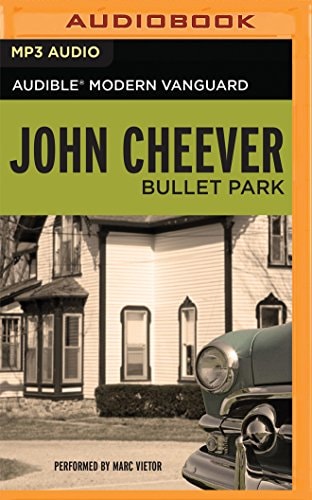
Audible Studios on Brilliance Audio
2016

Van Gennep
2013

Van Gennep
2012

Feltrinelli
2012

Feltrinelli Editore
2012

Austral
2011

Penguin Random House
2010

Random House
2010

Random House Digital Inc.
2010

Relógio de Água
2009

Polirom
2007
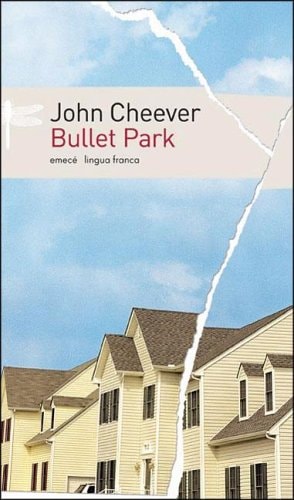
Emecé
2006
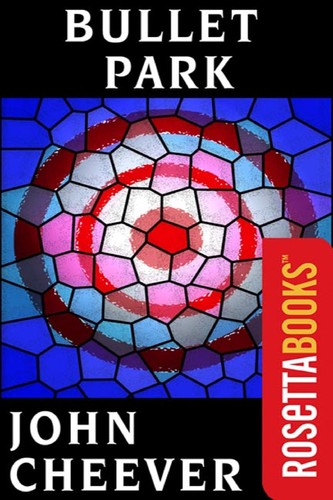
RosettaBooks
2004

Fandango Libri
2002

Random House Value Publishing
1998

Thorndike Press
1993

Knopf Doubleday Publishing Group
1992

Vintage
1992
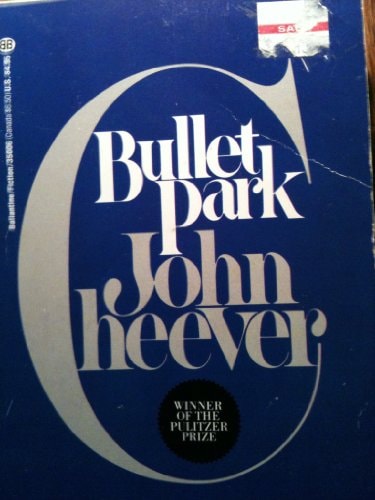
Random House Publishing Group
1987

Books on Tape, Inc.
1986
King Penguin
1983
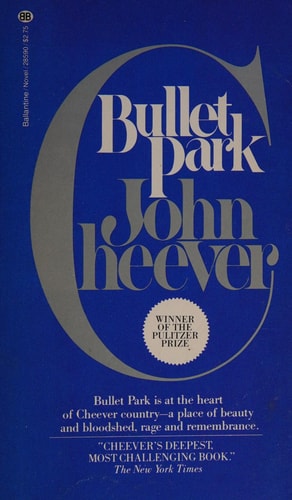
Ballantine Books
1980

De Arbeiderspers
1980
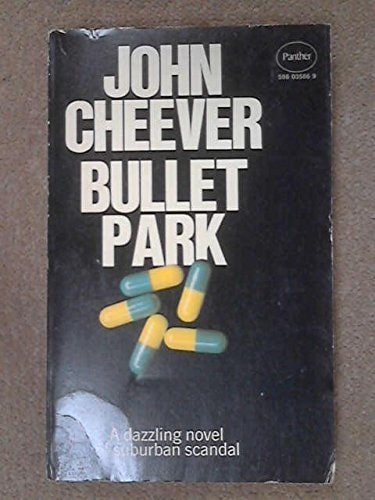
Panther
1972

Alfred A. Knopf
1969

Books on Tape
1969
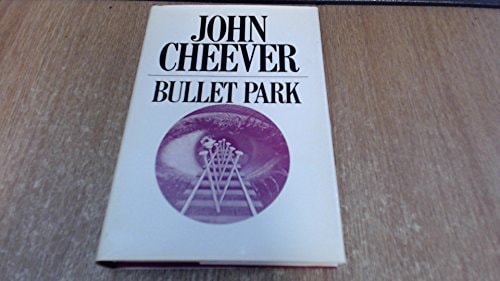
Cape
1969
Similar Books






Reader Comments
Share Your Thoughts
No comments yet. Be the first to share your thoughts!