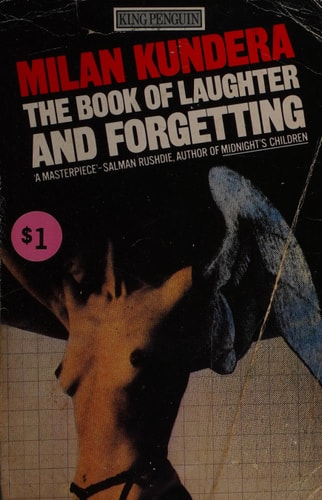
The Book of Laughter and Forgetting
0
0
As an Amazon Associate and affiliate partner, Menrva Books earns from qualifying purchases. Learn more
Author Description
No description available.
Menrva's Summary
THE PULSE
The central conflict arises from the tension between individual memory and the systematic erasure of history by totalitarian regimes. The narrative follows a series of interconnected stories that examine how people attempt to preserve their identities in a world where the past is constantly rewritten. Kundera employs a non-linear, essayistic framework, frequently interrupting the plot to offer philosophical commentary on the nature of forgetting, music, and the absurdity of political life. The characters struggle against the logical constraints of a society that demands conformity and the physical constraints of exile and state surveillance.
INSIDE THE PAGES
- Non-linear narrative structure that weaves together seven distinct parts
- Frequent authorial intrusions and philosophical digressions
- Exploration of the concept of 'litost' as a state of agony
- Analysis of the political implications of public and private memory
- Use of recurring motifs such as angels, music, and dance
- Examination of the relationship between eroticism and political power
- Stylistic blend of fiction, autobiography, and political essay
- Focus on the psychological impact of historical revisionism
THE COLLECTIVE ECHO
Discussion often centers on the unique structural approach Kundera takes, which blurs the line between a novel and a series of philosophical meditations. Readers frequently highlight the author's ability to dissect complex political themes through intimate, often surreal character interactions. Critics often note the pervasive atmosphere of melancholy and the sharp, ironic tone that defines the prose. The work is widely recognized for its intellectual depth and its persistent questioning of how societies construct their own realities. Many readers find the fragmented nature of the text to be a deliberate reflection of the instability of memory itself.
Page Count:
256
Publication Date:
1983-01-01
Publisher:
Penguin Books Ltd
ISBN-10:
0140064168
ISBN-13:
9780140064162
Literary Fiction
Contemporary
European
Political fiction
Philosophical
Postmodern
Community Tags
Other Editions(4)


Similar Books