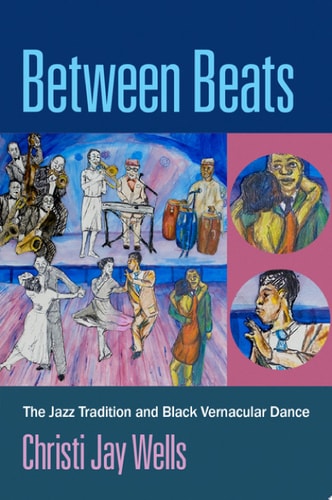
Between Beats: The Jazz Tradition and Black Vernacular Dance
0
0
As an Amazon Associate and affiliate partner, Menrva Books earns from qualifying purchases. Learn more
Author Description
The Jazz Tradition And Black Vernacular Dance Explores The Complex Intersections Between Jazz Music And Popular Dance Over The Last Hundred-plus Years. It Aims To Show How Popular Entertainment And Cultures Of Social Dancing Were Crucial To Jazz Music's Formation And Development, But It Also Investigates The Processes Through Which Jazz Music Came To Earn A Reputation As A Legitimate Art Form Better Suited For Still, Seated Listening. Through The Concept Of Choreographies Of Listening, The Book Explores Amateur And Professional Jazz Dancers' Relationships With Jazz Music And Musicians As Jazz's Soundscapes And Choreoscapes Were Forged Through Close Contact And Mutual Creative Exchange. The Book's Later Chapters Also Critically Unpack The Aesthetic And Political Negotiations Through Which Jazz Music Supposedly Distanced Itself From Dancing Bodies. As Musicians And Critics Sought To Secure Institutional Space For Jazz Within America's Body-averse Academic And High-art Cultures, An Intentional Severance From The Dancing Body Proved Crucial To Jazz's Re-positioning As A Form Of Autonomous, Elite Art. Fusing Little-discussed Material From Diverse Historical And Contemporary Sources With The Author's Own Years Of Experience As A Social Jazz Dancer, This Book Seeks To Advance Participatory Dance And Embodied Practice As Central Topics Of Analysis In Jazz Studies. As It Tells The Rich, Untold Story Of Jazz As Popular Dance Music, This Book Also Exposes How American Anxieties About Bodies And A Broad Cultural Privileging Of The Cerebral Over The Corporeal Have Shaped Efforts To Elevate Expressive Forms Such As Jazz To Elite Status--
Menrva's Summary
THE THESIS
This book investigates how the historical and cultural separation of jazz music from its origins in social dance served to elevate the genre into the realm of elite, cerebral art. Christi Jay Wells, an experienced social jazz dancer and scholar, utilizes a blend of historical archives and contemporary analysis to challenge the traditional narrative that jazz is primarily a form for seated, passive listening. By introducing the concept of 'choreographies of listening,' the author argues that the physical act of dancing was fundamental to the development of jazz soundscapes and that its eventual distancing from the body was a deliberate political and aesthetic maneuver to gain institutional legitimacy.
THE SCOPE MAP
What You Will Find
- Historical analysis of the symbiotic relationship between jazz music and popular social dance over the past century.
- The theoretical framework of 'choreographies of listening' to analyze the connection between sound and movement.
- Examination of how American cultural biases against the body influenced the academic categorization of jazz.
- Critical unpacking of the institutional efforts to rebrand jazz as an autonomous, high-art form.
THE AUTHORITY PERSPECTIVE
Experts in jazz studies and musicology highlight this work as a necessary intervention that restores the role of the body to the history of the genre. Readers frequently note the academic rigor of the text while appreciating the author's unique perspective as both a practitioner and a scholar.
Page Count:
254
Publication Date:
2021-01-01
ISBN-10:
0197559298
ISBN-13:
9780197559291
Music
History
Jazz
Sociology
Dance