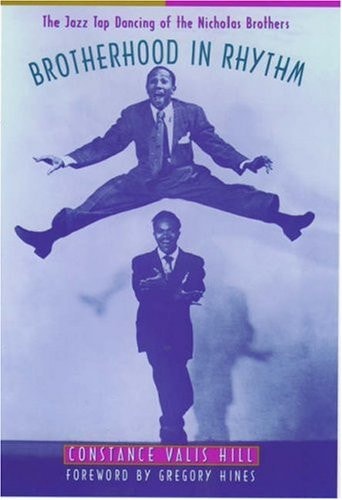
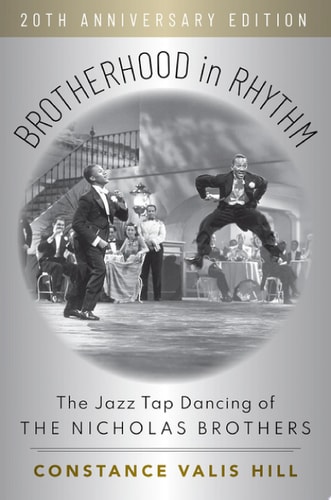
Brotherhood in Rhythm: The Jazz Tap Dancing of the Nicholas Brothers
0
0
As an Amazon Associate and affiliate partner, Menrva Books earns from qualifying purchases. Learn more
Author Description
They were two of the most explosive dancers of the twentieth century, dazzling audiences with daredevil splits, slides, and hair-raising flips. But they were also highly sophisticated dancers, refining a centuries-old tradition of percussive dance into the rhythmic brilliance of jazz tap at its zenith. They were Fayard and Harold Nicholas, two American masters masterfully portrayed in this new dual biography by Constance Valis Hill.In Brotherhood in Rhythm, Hill interweaves an intimate portrait of these great performers with a richly detailed history of jazz music and jazz dance, both bringing their act to life and explaining their significance through a colorful analysis of their eloquent footwork, their full-bodied expressiveness, and their changing style. Hill vividly captures their soaring careers, from Cotton Club appearances with Duke Ellington, Cab Calloway, and Jimmie Lunceford, to film-stealing big-screen performances with Chick Webb, Tommy Dorsey, and Glen Miller. Drawing on a deep well of research and endless hours of interviews with the Nicholas brothers themselves, she also documents their struggles against the nets of racism and segregation that constantly enmeshed their careers and denied them the recognition they deserved. And to provide essential background to their career and the development of their art, she also traces the three-hundred-year evolution of jazz tap, showing how it emerged in the Southern colonies in the 1700s, as the Irish jig and West African gioube mutated into the American jig and juba.More than a biography of two talented but underappreciated performers, Brotherhood in Rhythm offers a profound new understanding of this distinctively American art and its intricate links to the history of jazz.
Menrva's Summary
THE THESIS
This work investigates the artistic evolution and cultural significance of the Nicholas Brothers, positioning their percussive dance style as a central pillar in the history of American jazz. Constance Valis Hill, a scholar of dance history, utilizes extensive primary source interviews and archival research to document the lives of Fayard and Harold Nicholas. The book argues that their technical mastery of jazz tap was not merely entertainment, but a sophisticated synthesis of centuries-old rhythmic traditions that navigated the systemic constraints of mid-twentieth-century American segregation.
THE SCOPE MAP
What You Will Find
- A comprehensive three-hundred-year history of jazz tap, tracing its origins from the Irish jig and West African gioube.
- Detailed analysis of the Nicholas Brothers' performance techniques, including their signature footwork and full-bodied expressiveness.
- Documentation of the brothers' professional experiences within the era of the Cotton Club and the golden age of Hollywood film.
- A critical examination of the racial barriers and segregationist policies that influenced the trajectory of their careers.
THE AUTHORITY PERSPECTIVE
Experts and dance historians frequently cite this text as a definitive resource for understanding the intersection of jazz music and percussive dance. Readers often note the academic rigor and depth of the research, which provides a necessary context for the brothers' contributions to the performing arts.
Page Count:
336
Publication Date:
2000-03-30
Publisher:
Oxford University Press
ISBN-10:
0195131665
ISBN-13:
9780195131666
History
Music
Biography
Dance
Tap Dancing
Jazz
Community Tags
Other Editions(3)

Similar Books







Reader Comments
Share Your Thoughts
No comments yet. Be the first to share your thoughts!