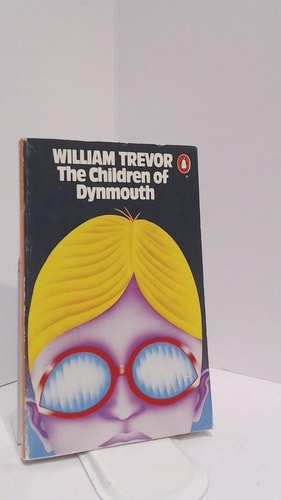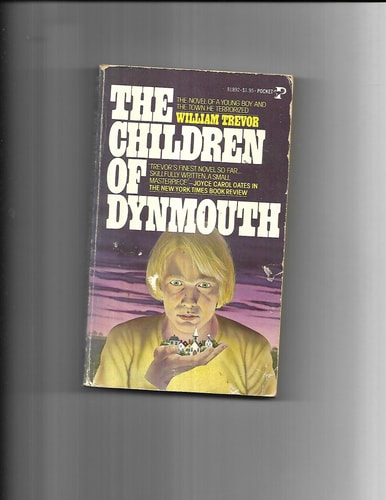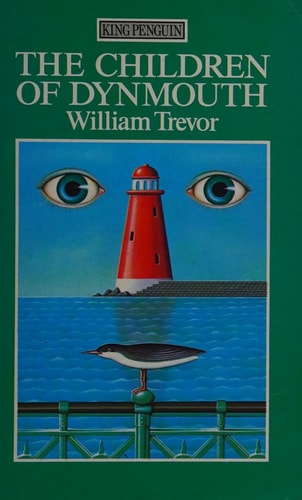
The Children of Dynmouth
0
0
As an Amazon Associate and affiliate partner, Menrva Books earns from qualifying purchases. Learn more
Author Description
The Children Of Dynmouth - a classic prize-winning novel by William TrevorPenguin Decades bring you the novels that helped shape modern Britain.The 1970s was a decade of anger and discontent. Britain endured power cuts and strikes. America pulled out of Vietnam and saw its President resign from office. Feminism and face lifts vied for women's hearts (and minds). And for many, prog rock, punk and disco weren't just music but ways of life.William Trevor's The Children of Dynmouth (Winner of the Whitbread Award and shortlisted for the Booker Prize) was first published in 1976 and is a classic account of evil lurking in the most unlikely places. In it we follow awkward, lonely, curious teenager Timothy Gedge as he wanders around the bland seaside town of Dynmouth. Timothy takes a prurient interest in the lives of the adults there, who only realise the sinister purpose to which he seeks to put his knowledge too late.
Menrva's Summary
THE PULSE
A socially isolated teenager begins to systematically intrude upon the private lives of his neighbors, exposing the fragility of their respectable facades. Timothy Gedge, an awkward and observant youth, navigates the mundane environment of a seaside town with a predatory curiosity. He targets the adult residents, gathering intimate secrets that he intends to use for his own inscrutable ends. The narrative framework utilizes a third-person perspective to contrast the banality of the setting with the mounting psychological tension caused by Timothy's persistent presence.
INSIDE THE PAGES
- Exploration of the disconnect between public reputation and private reality
- Use of a seaside town as a claustrophobic, atmospheric setting
- Focus on the psychological manipulation of adults by a child
- Examination of social alienation and its consequences
- Precise, understated prose style characteristic of the author
- Gradual escalation of tension from social awkwardness to genuine menace
- Character study of an anti-heroic, unsettling protagonist
- Critique of middle-class complacency in 1970s Britain
THE COLLECTIVE ECHO
Readers and critics frequently highlight the author's ability to extract profound unease from seemingly ordinary domestic interactions. Discussion often centers on the character of Timothy Gedge, who is widely regarded as one of the most chillingly realized figures in modern literature. Many reviewers note that the pacing is deliberate, allowing the sense of dread to permeate the narrative slowly rather than relying on overt action. The book is often praised for its sharp social commentary and its refusal to offer easy moral resolutions for the characters involved. Readers who appreciate character-driven narratives with a dark, psychological edge will find this work particularly effective.
Page Count:
192
Publication Date:
1982-01-05
Publisher:
Penguin UK
ISBN-10:
0140062637
ISBN-13:
9780140062632
Literary Fiction
Psychological
British literature
Dark Comedy
Coming of Age
Contemporary