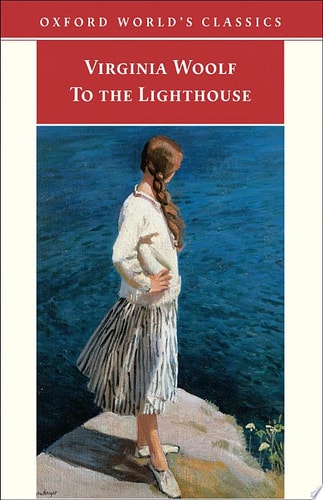
To the Lighthouse
0
0
As an Amazon Associate and affiliate partner, Menrva Books earns from qualifying purchases. Learn more
Author Description
A pioneering work of modernist fiction, using her unique stream-of-consciousness technique to explore the inner lives of her characters, Virginia Woolf's To the Lighthouse is widely regarded as one of the greatest artistic achievements of the twentieth century. This Penguin Classics edition is edited by Stella McNichol, with an introduction and notes by Hermione Lee. To the Lighthouse is at once a vivid impressionistic depiction of a family holiday, and a meditation on marriage, on parenthood and childhood, on grief, tyranny and bitterness. For years now the Ramsays have spent every summer in their holiday home in Scotland, and they expect these summers will go on forever; but as the First World War looms, the integrity of family and society will be fatally challenged. With a psychologically introspective mode, the use of memory, reminiscence and shifting perspectives gives the novel an intimate, poetic essence, and at the time of publication in 1927 it represented an utter rejection of Victorian and Edwardian literary values.
Menrva's Summary
THE PULSE
The Ramsay family's summer holiday in Scotland serves as the anchor for a profound exploration of time, loss, and the shifting nature of human relationships. The narrative follows the Ramsay family and their guests as they navigate the complexities of marriage, parenthood, and the inevitable passage of time. Opposed by the encroaching shadows of the First World War and the internal friction of their own expectations, the characters struggle to find meaning in a world that refuses to remain static. The novel utilizes a non-linear, stream-of-consciousness framework to capture the internal monologues and fleeting perceptions of its cast.
INSIDE THE PAGES
- Stream-of-consciousness narrative technique
- Shifting perspectives between multiple characters
- Impressionistic prose style
- Focus on internal psychological states over external plot
- Exploration of the passage of time and memory
- Symbolic use of the lighthouse as a focal point
- Rejection of traditional Victorian narrative structures
- Emphasis on the domestic sphere as a site of philosophical inquiry
THE COLLECTIVE ECHO
Discussion often centers on the novel's radical departure from conventional storytelling and its success in capturing the fluidity of human consciousness. Readers frequently highlight the lyrical quality of the prose and the way the narrative ebb and flow mirrors the rhythmic movement of the sea. Critics often examine the balance between the intimate domestic details and the broader existential themes of grief and mortality. The work is widely studied for its technical innovation and its ability to render the subjective experience of time with precision. Many readers find the lack of traditional plot resolution to be a deliberate choice that reinforces the book's focus on the transient nature of life.
Page Count:
202
Publication Date:
2013-01-01
Publisher:
e-artnow ebooks
ISBN-10:
0192805606
ISBN-13:
9780192805607
Literary Fiction
Contemporary
Kindle Store
Kindle eBooks
Modernist
Psychological
classic
British literature
Short Stories
Categories
Community Tags
Other Editions(21)

Independently published
2024
Default edition
Independently published
2023

Independently published
2023

Dreamscape Media
2023

Independently published
2023

Independently Published
2022

Independently Published
2022

Independently Published
2022

Independently Published
2022

Independently Published
2022

Independently Published
2022

Independently Published
2022

Independently Published
2022

Independently Published
2022
e-artnow ebooks
2013
Naxos AudioBooks
2008
Naxos
2006
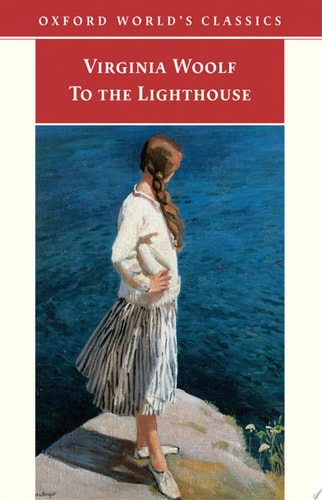
Oup Oxford
2006

Cbc Radio Canada
2002
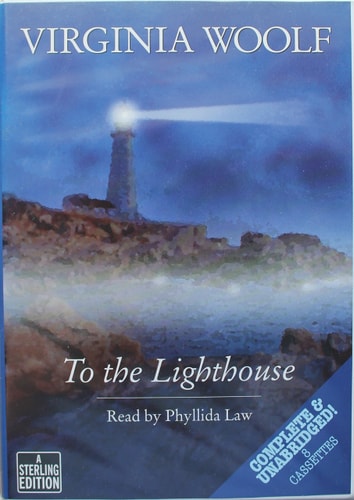
Chivers Audio Books
2001
Penguin
1964
Similar Books






Reader Comments
Share Your Thoughts
No comments yet. Be the first to share your thoughts!