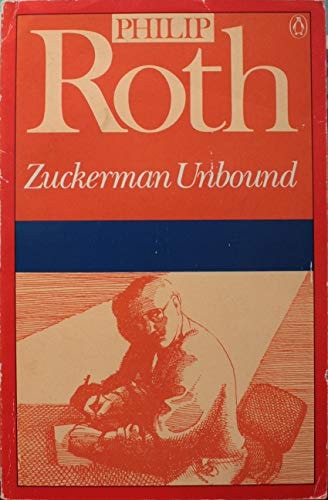
Zuckerman Unbound
0
0
As an Amazon Associate and affiliate partner, Menrva Books earns from qualifying purchases. Learn more
Author Description
Now in his mid-thirties, Nathan Zuckerman, a would-be recluse despite his newfound fame as a bestselling author, ventures onto the streets of Manhattan in the final year of the turbulent sixties. Not only is he assumed by his fans to be his own fictional satyr, Gilbert Carnovsky ("Hey, you do all that stuff in that book?"), but he also finds himself the target of admonishers, advisers, and sidewalk literary critics. The recent murders of Robert Kennedy and Martin Luther King, Jr., lead an unsettled Zuckerman to wonder if "target" may be more than a figure of speech.In Zuckerman Unbound—the second volume of the trilogy and epilogue Zuckerman Bound—the notorious novelist Nathan Zuckerman retreats from his oldest friends, breaks his marriage to a virtuous woman, and damages, perhaps irreparably, his affectionate connection to his younger brother...and all because of his great good fortune!
Menrva's Summary
THE PULSE
Following the unexpected success of his latest novel, Nathan Zuckerman finds his private life dismantled by the intrusive demands of public fame. As a writer attempting to navigate the cultural volatility of late 1960s Manhattan, Zuckerman struggles to reconcile his identity with the public perception of his fictional protagonist. He faces mounting pressure from fans, critics, and family members who conflate his life with his work, leading him to isolate himself from his personal relationships. The narrative follows his internal and external conflicts as he attempts to maintain his autonomy while his professional success threatens to destroy his domestic stability.
INSIDE THE PAGES
- Metafictional exploration of the relationship between author and character
- Examination of the consequences of sudden literary celebrity
- Portrayal of the social and political atmosphere of the late 1960s
- Focus on the erosion of personal boundaries and privacy
- Interpersonal conflict between the protagonist and his family members
- Use of irony to highlight the absurdity of public scrutiny
- Introspective narrative voice reflecting on the nature of authorship
- Exploration of the tension between artistic creation and real-world impact
THE COLLECTIVE ECHO
Readers and critics frequently observe that the novel functions as a sharp examination of the burdens of fame and the isolating nature of success. Discussion often centers on the protagonist's struggle to separate his own identity from the public's perception of his work. Many highlight the effective use of satire to critique the literary culture of the era and the intrusive nature of celebrity. The narrative is noted for its focus on character development over traditional plot progression, providing a detailed look at the psychological toll of public recognition. Critics often point to the balance between the protagonist's internal monologue and his external interactions as a key element of the book's structure.
Page Count:
160
Publication Date:
1983-06-30
Publisher:
Penguin Books Ltd
ISBN-10:
0140062645
ISBN-13:
9780140062649
Contemporary
Literary Fiction
Satire
Contemporary
Metafiction
British & Irish
Community Tags
Other Editions(8)




Similar Books






Reader Comments
Share Your Thoughts
No comments yet. Be the first to share your thoughts!